
If you ever stumbled across a webcomic or anime that made you go “wait… that’s different,” chances are you might have peeked into the world of yaoi. It’s this fascinating corner of Japanese media genre where the stories swirl around male–male relationships with varying shades of romantic themes and, sometimes, erotic/explicit content. Unlike your usual romance manga, yaoi isn’t just about two boys falling in love—it’s a rollercoaster of emotions, power dynamics, and often, intense drama that keeps you glued. I remember my first encounter with a doujinshi in high school—this self-published fan work made me realize how deep and emotionally complex this genre could be, even for someone who wasn’t initially looking for queer romance.
The magic of yaoi isn’t limited to its stories—it’s also about its fan culture and the way it has grown into a niche genre embraced globally. Whether you’re here outta curiosity, academic interest, or fandom exploration, this article’s gonna take you through everything from origins in Japan to modern LGBT+ representation in anime and manga. So grab a cup of tea, or you know, whatever fuels your late-night manga sessions, and let’s dig in.
What is Yaoi? A Casual Fan-Friendly Take
So yaoi, simply put, is Japanese media that focuses on male–male romance. It’s like the cooler, sometimes more intense cousin of your everyday romance manga. The term itself originally popped up in Japan, and fans there often mix it up with Boys’ Love (BL). Some people even like to call it Shōnen-ai when they’re talking about the softer, less sexualized versions of the stories, though these days yaoi usually hints at the steamy stuff too.
What makes it kinda unique is that it’s primarily created by female creators for a female audience, though the fandom is super diverse now. And don’t get me started on the way people dive into doujinshi—these self-published works let artists experiment with all kinds of emotional and sometimes risqué scenarios. It’s like a fan’s playground for exploring queer romance without the limits of mainstream publishing.
The Historical Roots of Yaoi in Japan
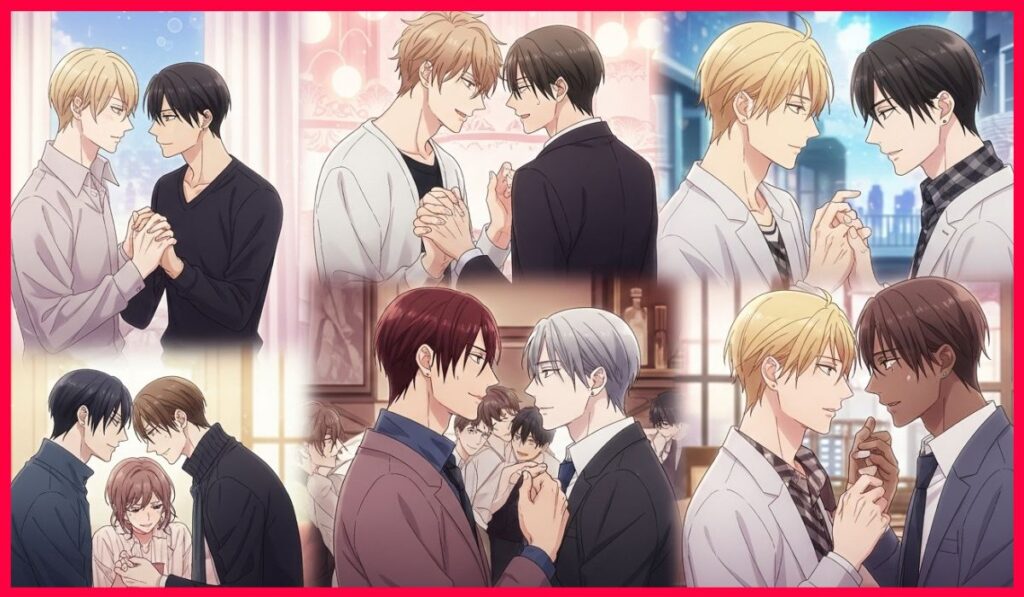
Back in the 1970s and 1980s, Japanese comics for girls started experimenting with male–male relationships, but in a more innocent, romantic way—this is where Shōnen-ai comes in. It wasn’t about sex, it was about emotional intensity and the beauty of forbidden or complicated love. Fast forward to the 1990s, and you see the rise of yaoi as we know it today, often featuring erotic/explicit content alongside complicated male-centered romance stories.
It’s wild to think how a cultural phenomenon in the 1990s has exploded into a global fandom. Suddenly, people in the US, Europe, and even parts of Latin America were reading Japanese comics online, trading fan-made comics, and debating the emotional depth of characters in forums. Some series even went on long hiatus due to creator burnout or publishing issues, which only made the fans more obsessive.
Yaoi vs Boys’ Love (BL) vs Shōnen-ai: Clearing the Confusion
Alright, let’s untangle this spaghetti of terms.
- Yaoi: Casual/fan term, usually includes sexual content, focused on male–male relationships, popular in fan culture/fandom.
- Boys’ Love (BL): Professional/formal term, industry-standard, can be explicit but also includes romantic LGBT+ fiction without necessarily being sexualized.
- Shōnen-ai: Historical/softer romance term, mainly emotional, often more about emotional intensity than sexual encounters.
Think of it like different lenses for looking at queer romance. Depending on your tone, you might choose one term over another. Fans often casually throw “yaoi” around, while academics, publishers, or libraries lean toward Boys’ Love (BL) when cataloging Japanese BL genre works.
Core Themes and Story Elements in Yaoi
If you’ve read a few series, you’ll notice yaoi isn’t just about romance—it’s also about emotional complexity and the power dynamics between characters. The stories often explore:
- Forbidden love or secrecy, adding intensity to the narrative
- Class or social hierarchies, especially in school or workplace settings
- Romantic tropes like seme (dominant) and uke (submissive) dynamics
- Melancholic undertones, heartbreak, jealousy, and reconciliation
- Fan fantasies and self-published doujinshi, which allow for bold experimentation
Some series are ultra-dramatic, some are fluffy and sweet, but even the light ones usually have that emotional punch. There’s a reason people binge-read male-centered romance stories and cry over fictional characters—these narratives hit different.
The Global Impact of Yaoi: Fandom and Community
From Japan to your local comic shop, yaoi has fostered a thriving fan culture. Online communities, fan conventions, and social media have all contributed to the niche genre’s explosion. Some fans create fan-made comics, write reviews, or even debate the authenticity of romantic LGBT+ fiction in series.
This fandom is super inclusive—LGBT+ readers, casual fans, and even academic researchers dive into Japanese BL genre works. Some stories are adapted into anime or live-action dramas, while others remain in manga or doujinshi form, making every fan’s experience unique. Even hiatuses in publication generate discussions, fan art, and anticipation that keep the community buzzing.
Female Creators and Their Influence
It’s fascinating that much of yaoi is female-created. These creators often explore male–male relationships with a focus on romantic themes and emotional intensity that appeals to their audience. Some scholars suggest that this stems from a desire to explore romance and sexuality without placing women directly in the narrative, giving the creators a kind of safe, imaginative freedom.
In interviews, many female creators admit that they love pushing emotional boundaries and experimenting with queer romance tropes. The result? Deep, nuanced stories that resonate across cultures and even inspire GL (Girls’ Love / Yuri) in the female counterpart of BL.
Erotic Content and Emotional Depth: Why It Works
Yaoi sometimes gets a bad rap for its erotic/explicit content, but the truth is, it’s often balanced with strong emotional complexity. Readers aren’t just there for the smut—they care about how two characters navigate love, power, and vulnerability. The romantic LGBT+ fiction aspect is just as important as the sexual exploration.
Some critics argue that this genre teaches empathy and emotional literacy, albeit through male-centered romance stories. Others enjoy it purely for escapism and the thrill of fan-driven narratives. Either way, yaoi’s combination of intimacy, tension, and fan culture participation makes it uniquely compelling.
Modern Yaoi and LGBTQ+ Representation
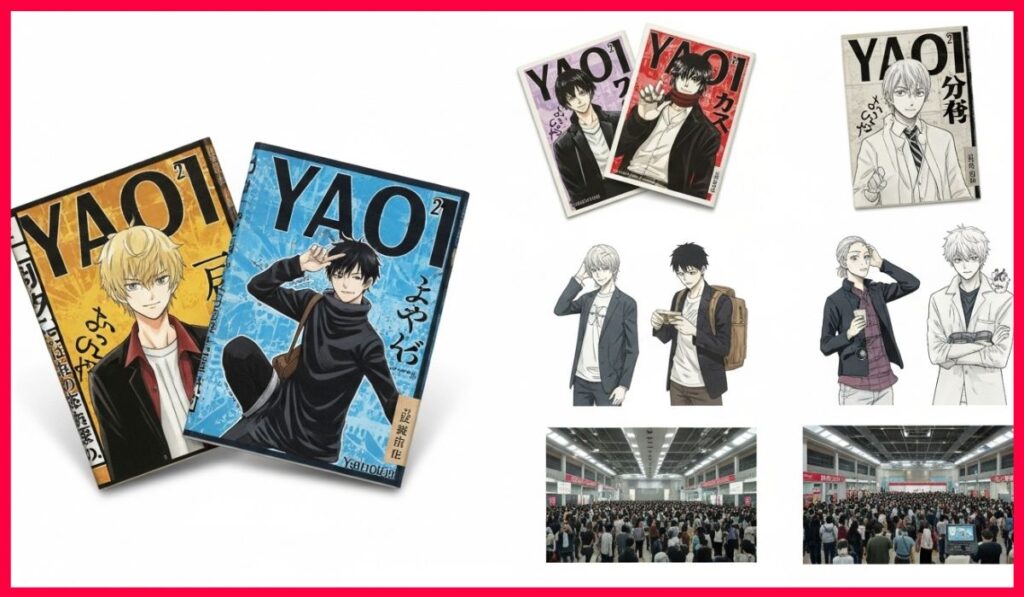
Today, yaoi has evolved with changing social attitudes. More creators emphasize inclusivity, audience awareness, and realistic depictions of LGBTQ+ experiences. Some series now intentionally reflect LGBT+ identities outside of traditional tropes, offering stories that feel genuine rather than purely fetishized.
Even mainstream anime and manga are catching on, sometimes incorporating male–male relationships into broader storylines. The fandom, both casual and scholarly, appreciates this mix of formal/professional terminology with casual/fan-friendly storytelling.
Academic Perspectives: Japanese BL Genre in Study
Academics often study yaoi as a cultural phenomenon. They analyze:
- Emotional intensity and power dynamics in narratives
- Representation of male–male relationships in literature and media
- Historical context of Shōnen-ai versus modern Boys’ Love (BL)
- Cross-cultural reception and influence on fan culture
Universities in Japan and worldwide have published papers examining how yaoi reflects societal attitudes toward LGBT+ identities, fandom behaviors, and even gender role expectations. It’s not just fan fiction—it’s part of a global academic discussion of manga and romantic LGBT+ fiction.
How to Engage With Yaoi Fandom Respectfully
Whether you’re new or experienced, here’s a quick guide:
- Respect content warnings—not all stories are casual or suitable for everyone
- Understand context—yaoi can range from sweet romance to intense erotic content
- Explore both BL and yaoi—each has its unique tone and purpose
- Support creators—buy official manga, attend events, or commission art
- Celebrate diversity—embrace LGBT+ representation and fan interpretations
Joining forums or attending conventions is a great way to learn and contribute to discussions about male-centered romance stories and fan-made comics.
Yaoi and Its Female Counterpart: GL (Girls’ Love / Yuri)

Just like yaoi, GL or Yuri focuses on female–female romance, but it occupies a slightly different cultural niche. Many fans enjoy both, exploring romantic themes across genders, understanding emotional complexity, and appreciating niche genres from a wider perspective. Interestingly, creators often borrow narrative styles between the two, enhancing storytelling depth.
Freqeuntly Asked Questions
What Does Yaoi Mean?
Yaoi is a Japanese media genre focusing on male–male romance, often including erotic content, created primarily by female artists for female audiences.
How is Yaoi Different From BL?
While yaoi is a casual term often implying sexual content, Boys’ Love (BL) is the formal term, covering both romantic and erotic male-centered stories.
Who Reads Yaoi?
Initially targeted at female audiences, yaoi now attracts a diverse fandom, including LGBTQ+ readers, casual fans, and academics interested in queer romance.
What is the History of Yaoi?
Yaoi originated in Japan during the 1970s-1990s, evolving from Shōnen-ai stories about emotional male–male romance to the modern, sometimes erotic, Japanese BL genre.
Can Yaoi Include Explicit Content?
Yes, many yaoi works feature erotic/explicit content, but others focus solely on emotional and romantic themes without sexual elements.
read this blog: https://noshcrafters.com/unnie-meaning/
Conclusion: Why Yaoi Matters
Yaoi isn’t just a niche genre—it’s a cultural phenomenon that has evolved over decades, bridging fan culture, emotional storytelling, and LGBT+ representation. It’s a space where female creators craft stories that resonate globally, where male–male romance explores themes of love, vulnerability, and power in ways few other genres dare to.
Whether you approach it casually as a fan, academically as a researcher, or inclusively as part of the LGBTQ+ community, yaoi offers an authentic glimpse into romantic LGBT+ fiction that entertains, educates, and inspires. So pick up a manga, check out a doujinshi, or binge an anime adaptation—because the world of yaoi is as diverse and vibrant as the love stories it tells.

Food lover, recipe creator & the heart behind NoshCrafters.com. Olivia shares mouthwatering, easy-to-make dishes that turn everyday meals into unforgettable bites. When she’s not experimenting in the kitchen, she’s busy plating up inspiration for home cooks everywhere.