
Sometimes a simple phrase crawls quietly into your day and then refuses to leave, almost like it’s whispering something you already knew but forgot along the way. The line “Self-control is strength, calmness is mastery. You Tymoff” does exactly that.
It arrives without fireworks, yet it shakes the furniture inside your mind with its truth. Maybe this is why the You Tymoff philosophy has travelled from quiet corners of the internet to becoming a kind of guidepost for people trying to find their feet in a messy, rushing world.
I didn’t fully get the weight of these words until a random late-evening moment, when I was juggling deadlines, irritations, and a slightly burnt cup of tea. Something inside me whispered, hey slow down, you’re not a machine with wires poking out. And that tiny pause felt like a small personal revolution.
This article is for anyone who’s tired of reacting too fast, feeling too much, or losing themselves in noise. It’s for anyone who’s trying maybe awkwardly, maybe clumsily to grow. And it’s for the silent warriors who choose inner peace even when life throws absolute chaotic confetti at them.
Let’s dive deep, with a soft heart, a curious mind, and a few delightful typing-mistakes along the way.
Key Concepts of the Tymoff Philosophy
| Concept | Meaning (Simple) | Practical Example |
|---|---|---|
| Self-Control | The ability to manage your impulses and reactions. | Pausing before responding during an argument. |
| Calmness | Staying steady and peaceful even in stressful moments. | Keeping your voice soft when others get loud. |
| Strength | Inner power that grows from discipline and emotional control. | Saying no to habits that harm your peace. |
| Mastery | Guiding your thoughts and emotions instead of being controlled by them. | Staying focused and mindful under pressure. |
| Emotional Regulation | Handling feelings in a healthy, balanced way. | Taking a deep breath instead of reacting instantly. |
| Mindfulness | Staying present and aware of your thoughts and actions. | Noticing your emotions without judging them. |
| Resilience | Bouncing back after stress or difficulty. | Recovering quickly after a tough day. |
| Positive Environment | Creating surroundings that support peace and growth. | Limiting negative people and bad influences. |
| Healthy Habits | Daily actions that support mental & emotional stability. | Good sleep, regular exercise, balanced diet. |
| Clear Thinking | Making decisions without emotional noise. | Choosing a calm discussion instead of a fight. |
Understanding the Heart of the Philosophy
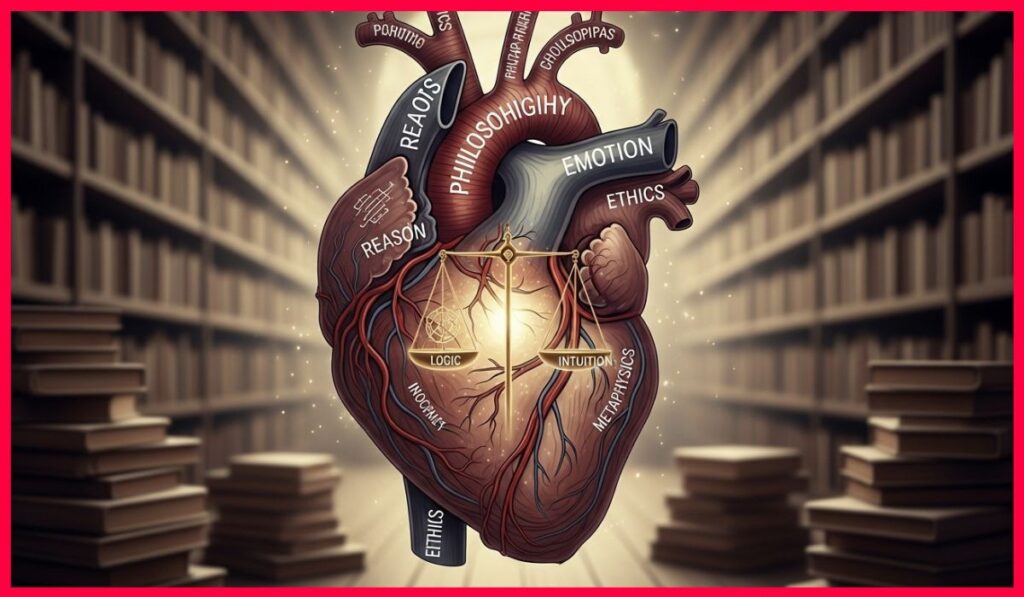
The combined idea of self-control, strength, calmness, and mastery feels almost like a four-piece puzzle, where each piece sits slightly crooked but still fits perfectly. This isn’t just a quote floating online—it’s a lived experience that thousands touch daily. Even people like Brook Taube, known for his strategic thinking and executive discipline, often echo the power of collected thinking and emotional steadiness (though in much more corporate terms).
When we talk about self-control, we’re not just talking about ignoring chocolate cake or not picking a fight on social media. We’re talking about holding yourself steady when your emotions are flickering like a loose wire. And calmness? That’s not silence. That is inner peace—the kind that lets you hear yourself clearly again.
The You – Tymoff philosophy blends old wisdom with modern chaos, gently reminding us that mastery isn’t about winning battles outside but the battles brewing inside your ribs.
Self-Control is Strength: Why It’s Not About Rigidity
Self-control can feel like a tight word, like it wants you to fold your hands neatly and sit perfectly straight. But real self-control is surprisingly warm. It is soft, flexible, human. It is choosing not to say that extra sharp sentence you’ll regret later. It is the art of avoiding impulsive actions that scratch your peace.
Often, people imagine strength as a loud roar or a bold announcement, but real strength is sometimes quiet—so quiet, in fact, that it goes unnoticed. But it shows up in moments like these:
- when you manage emotions instead of letting impulses yank you around
- when you take a slow breath before replying, even if your insides are grumpy
- when you decide not to break your own boundaries again
- when you choose discipline even if your mood is behaving like a lazy cat
- when you do self-reflection even tho it hurts your ego a little bit
- when you let go of harmful temptations like harmful habits (smoking)
Self-control grows slowly, like a plant in a pot that someone keeps over-watering. You don’t see the progress at first, but one day you look back and realize: oh wait, I’m not the same person who reacted to everything.
This is why self-control is strength, and actually one of the most underrated superpowers in the world.
Calmness is Mastery: The Power of Slow Thinking
If self-control is the strength you carry, calmness is the weapon you never have to draw.
To stay calm in a world that worships speed is an act of quiet rebellion. When people say calmness is weakness, they misunderstand the entire architecture of emotional intelligence. Calmness is the art of thinking with clarity while the world tries to yank your attention into panic.
Real mastery is:
- staying calm under pressure, even when your thoughts are doing summersaults
- offering rational responses instead of fire-breathing reactions
- noticing your emotions without letting them drive your car
- practicing emotional regulation
- using meditation or slow breathing to soften stress
- choosing patience when everything else tells you hurry up
- defusing tense situations with just a well-timed silence
A calm person isn’t empty—they’re full, but sorted. They have folders inside their mind instead of piles.
Mastery isn’t perfection. Mastery is choosing your peace even when chaos is screaming your name like you owe it money.
The Science Behind Emotional Stability and Resilience
You don’t have to be a university researcher to understand that emotions shape your entire day. A tiny argument in the morning can disturb eight hours of your peace. This is why emotional stability is more than a psychological concept; it’s a life skill, a survival kit.
Studies on stress, impulses, and mindfulness show that people who cultivate calmness have:
- better problem-solving skills
- improved focus and concentration
- more resilience in hard times
- better interpersonal relationships
- long-term success habits
- deeper levels of well-being
When you strengthen your emotional muscles, your daily life changes shape. Instead of tumbling, you glide. Instead of reacting, you choose. Instead of exploding, you breathe.
read t;his blog: https://noshcrafters.com/clever-dpscd/
Strength Through Discipline: Building Self-Control Step by Step
Discipline is sometimes misunderstood as prison bars around your freedom, but in truth it’s the exact opposite—it sets you free. When you have discipline, you no longer drown in your own delays, guilt, or scattered energy.
Small habits build big futures. Try these:
- choose a balanced diet even if you wanna grab random junk
- keep good sleep as if it’s your personal treasure
- do short regular exercise not for looks, but for energy
- avoid doom-scrolling when your brain is begging for silence
- create a positive environment around you
- practice gratitude even on days that feel meh
- pursue continuous learning like your brain is a curious pet
A disciplined life isn’t about force—it’s about alignment. When your actions match your values, your world starts behaving a little better with you.
Mindfulness and Meditation: Tools for Mastery
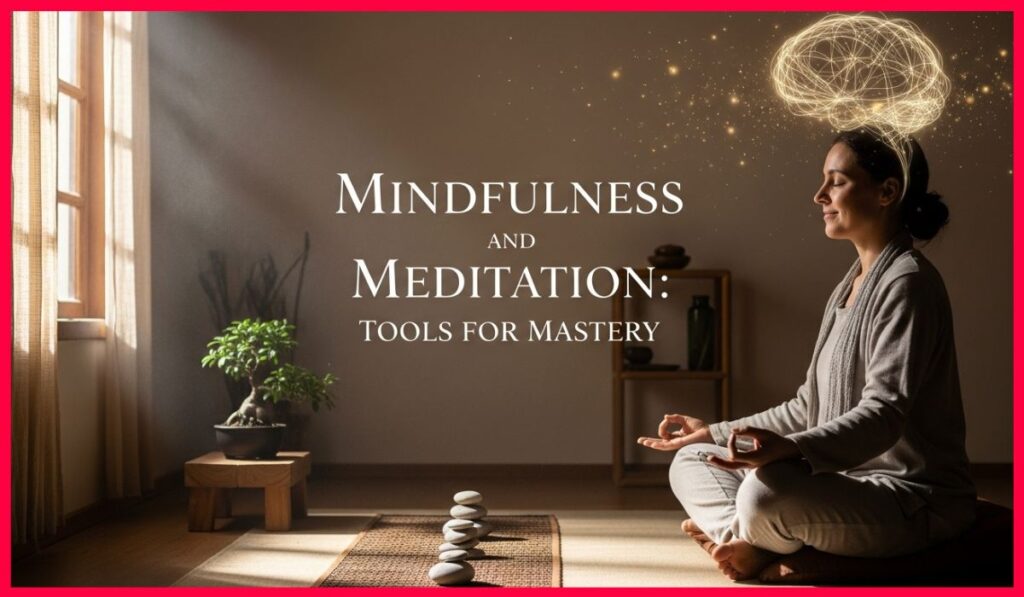
Mindfulness isn’t mysterious; it simply asks you to sit with yourself without trying to escape. Easier said than done, honestly. Your mind will wander, your leg will itch, your phone will buzz, and your thoughts will do a weird dance.
But every time you pull your thoughts back gently, you’re teaching your brain a new way of being. You’re building mental clarity, emotional calm, and internal strength.
Meditation teaches:
- recognizing emotions without obeying them
- slowing down impulsive reactions
- improving focus
- strengthening resilience
- cultivating empathy
- healing stress patterns
Mindfulness is a friend you carry in your pocket—small but powerful.
How Calmness Improves Success and Decision-Making
Your best decisions rarely come from your stormiest moments. When you’re calm, your brain switches from emotional impulse mode to clear-thinking mode. This is why leaders, experts, parents, educators—everybody—benefits from calmness.
Calmness leads to:
- healthier decision-making
- sharper analytical thinking
- improved productivity
- better relationship choices
- defusing workplace or home conflicts
- increased confidence
- smoother communication
When you master calmness, you master life. Because every challenge suddenly looks a bit smaller in the presence of your inner quiet.
Creating Stronger Relationships Through Emotional Mastery
If there is one place where emotional mastery matters most, it’s relationships—romantic, family, work, everything. People connect not through perfection but through presence.
Calm people:
- listen deeply
- respond thoughtfully
- show empathy
- bring supportive influences
- avoid harmful conflict spirals
- build stronger relationships with consistency
When you manage your emotions, you don’t just heal yourself—you create safer spaces for others too.
Healthy Lifestyle = Healthy Mind
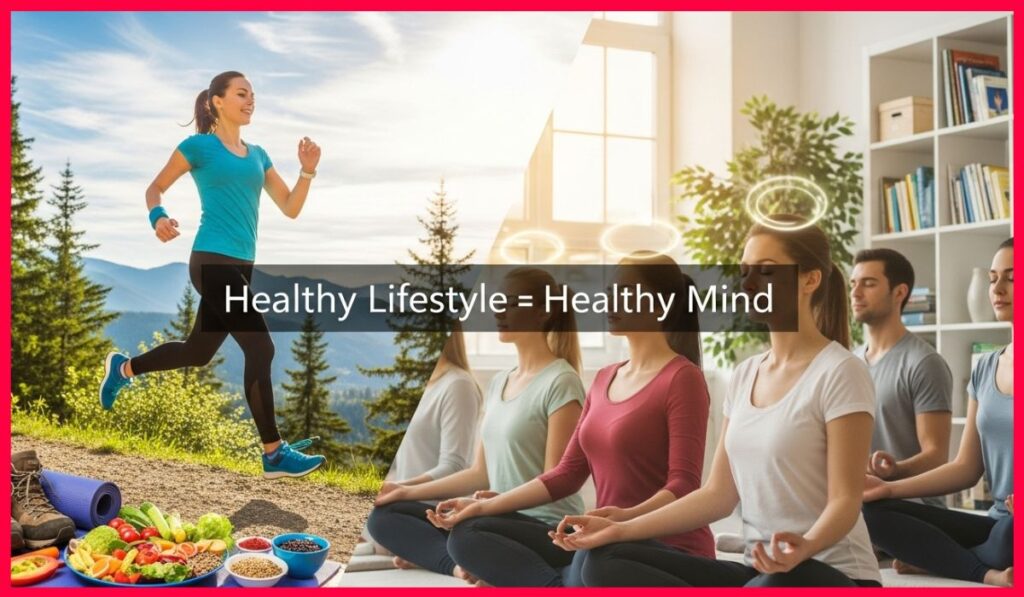
Your emotional balance is directly shaped by your physical habits. You can’t expect a peaceful life if your body is exhausted like a phone on 1% battery.
Healthy habits like:
- moderate movement
- hydration
- sunlight
- stable routines
- digital boundaries
…all contribute to better emotional regulation. It’s all connected—your mind, your body, your habits, your reactions.
How to Practice Calmness in Real Life (When It’s Actually Hard)
Let’s be honest: calmness sounds poetic in articles but messy in real life. You try to be peaceful and then someone cuts you in traffic, your sibling annoys you, or your coworker sends a long email with passive-aggressive commas.
Real-life calmness is clumsy. It’s imperfect. It’s a practice.
Try this:
- pause for two seconds before reacting
- touch your fingertips together to ground yourself
- let silence handle half the argument
- drink water before replying harshly
- step outside if your emotions feel like boiling tea
- breathe like you’re trying to fog a mirror slowly
- remember not every moment needs your full emotional reaction
Small shifts. Big transformations.
Frequently Asked Questions
1. What does “Self-control is strength, calmness is mastery” really mean?
It means your real power comes from managing your emotions and choosing calm responses instead of reacting impulsively. When you stay steady, you stay in control.
2. How can I build more self-control in daily life?
Start with tiny habits like pausing before reacting, setting small goals, and practicing patience. Little actions done daily grow into real discipline.
3. Why is calmness considered a form of mastery?
Because calmness lets you think clearly, solve problems smarter, and avoid emotional chaos. A calm mind makes better choices than a stressed one.
4. Can mindfulness actually help with emotional regulation?
Yes, mindfulness slows your thoughts, reduces stress, and helps you notice emotions without letting them take over. Even a few minutes a day can shift your mood.
5. How does emotional stability improve relationships?
When you’re steady, you listen better, communicate softer, and avoid unnecessary conflict. People feel safer around emotionally balanced energy.
Conclusion
The phrase “self-control is strength, calmness is mastery” is more than just a nice motivational line. It is a gentle map toward a version of yourself that you’ve always deserved to meet.
Every day you build your inner strength, every moment of choosing patience, every breath that calms your heart these are tiny bricks forming the foundation of a stronger, wiser, more peaceful you.
You don’t need to be perfect. You just need to practice. To try. To show up for yourself even when life feels heavy like a backpack full of random stones.

Food lover, recipe creator & the heart behind NoshCrafters.com. Olivia shares mouthwatering, easy-to-make dishes that turn everyday meals into unforgettable bites. When she’s not experimenting in the kitchen, she’s busy plating up inspiration for home cooks everywhere.