
In the whirlwind of our daily digital chatter, we often bump into acronyms and terms that feel like they have a secret life of their own. Two such terms that have been buzzing around school communities, social media, and even casual conversations are PTSO and hiatus.
At first glance, they might seem like just another jumble of letters, but dig a little deeper, and you’ll find they carry a wealth of meaning, history, and practical significance in both academic and social life. So, buckle up, coz we’re diving into a colorful, slightly messy, yet utterly human exploration of these two fascinating terms.
What Does PTSO Really Mean?
| Acronym | Full Form | Key Participants | Core Purpose | Main Activities |
|---|---|---|---|---|
| PTSO | Parent–Teacher–Student Organization | Parents, Teachers, Students, Faculty | Bridge home and school, include student voice | Fundraising, volunteering, school events, newsletters, meetings |
| PTA | Parent–Teacher Association | Parents, Teachers | Parent-teacher collaboration | Fundraising, meetings, school support programs |
You’ve probably seen PTSO popping up in newsletters, email blasts, or even in casual hallway chatter at school. But what’s behind the letters? PTSO stands for Parent–Teacher–Student Organization, a collaborative tri-party council that’s not just some boring committee but a lively hub where parents, teachers, and students team up to make school life richer. Unlike the classic PTA (Parent–Teacher Association), which traditionally focuses on parent-teacher interaction, PTSO actively includes students in the decision-making, giving the school a youthful, energetic pulse.
Think of it like a school’s “social engine” where ideas, concerns, and initiatives meet hands-on execution. From organizing a spring fair to coordinating fundraising campaigns, the school community group thrives on collaboration. It’s not all official letters and board meetings; it’s also about catching ideas during a coffee chat, brainstorming while walking down the hall, or debating what snack should be served at the next annual general meeting.
Why PTSO Matters
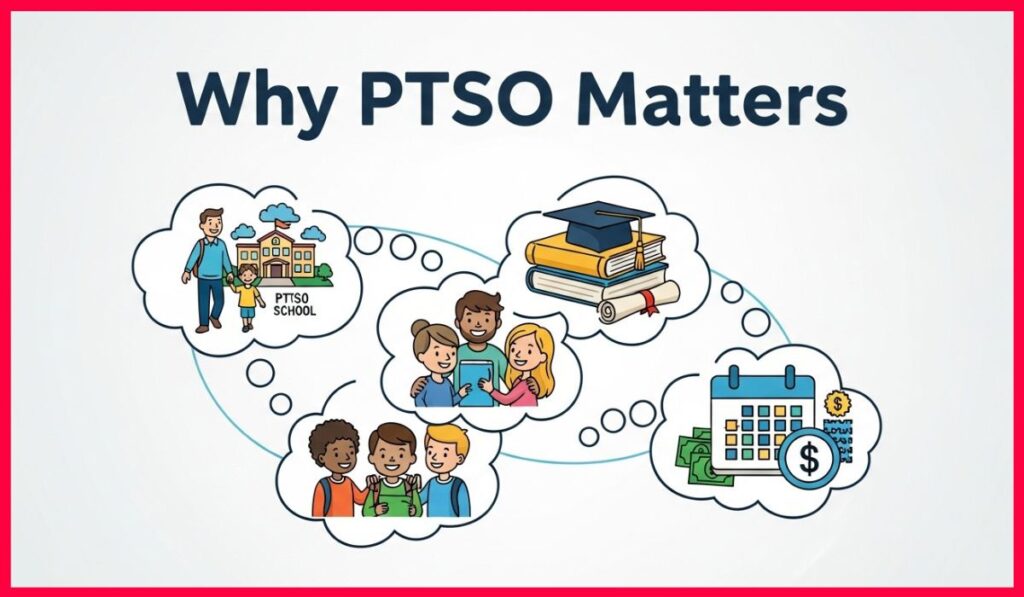
Here’s the thing, sometimes we forget how much power lies in collaboration. A faculty member might have the vision for a new student program, a parent may have the network or resources to make it real, and a student brings perspective that no adult could ever predict. PTSO bridges this gap beautifully. It’s not just about paperwork or newsletters—it’s about youth involvement / leadership, clarity & transparency in communication, and building a school culture where everyone’s voice matters.
Imagine planning summer break activities. The PTSO is often the one organizing events, coordinating volunteers, and sending out email blasts or newsletters to ensure every parent and student is in the loop. This hands-on collaboration makes school life more vibrant, inclusive, and just plain fun.
Hiatus: More Than Just a Break
Now switching gears a little, let’s chat about hiatus, which seems like a word you either know super well or totally blank on. A hiatus is basically a pause, break, or temporary suspension in any activity, project, or schedule. You’ve probably seen it in TV / music / media shows, blogs, or even your favorite podcast, where creators announce a leave of absence or intermission.
But here’s a subtlety many miss: the tone of a hiatus matters. Is it formal, like an official letter from a company announcing a temporary suspension of production? Or is it casual, like a social media post saying “taking a little break, back next month”? Understanding the contextual meaning and tone nuance—formal vs casual—is essential, otherwise messages can be misunderstood.
How Hiatus Shows Up in School Communities
Even school environments aren’t immune to hiatuses. Think of PTSO-led initiatives or school team / school community group activities. Sometimes there’s a maintenance or production pause, like postponing the spring fair due to weather, or stepping away during August recess. These are temporary suspension / interruption periods that require careful communication so parents, faculty, and students know what’s happening and why.
Clarity is key here. Imagine sending an internal memo that says, “Event postponed,” without a date. It’s frustrating, right? Instead, specifying the timeline, like “Hiatus until July 1,” keeps everyone informed and shows respect for the audience’s time.
PTSO Activities That Benefit From Hiatus Awareness

Even proactive organizations like PTSO can hit the pause button, and knowing how to manage it is crucial. For example:
- A fundraising drive might take a temporary suspension due to unforeseen circumstances.
- A newsletter might hit a break, with the next issue scheduled after April 5.
- Volunteering schedules may need adjustment during summer break or other temporary hiatus periods.
By communicating clearly and using friendly / casual messaging alongside professional announcements, the organization keeps trust intact. Audience-specific language and tone-sensitive messaging are crucial here—you can’t treat a student announcement the same way as a parent briefing.
PTSO vs PTA: What’s The Difference?
You may have wondered, “Is PTSO just a fancy PTA?” Well, not exactly. The PTA traditionally focuses on Parent–Teacher Association activities, often leaving students in a supporting role. Meanwhile, PTSO emphasizes Parent–Teacher–Student collaboration, encouraging student leadership and active engagement.
In practical terms:
- PTA organizes bake sales, fundraisers, or parent-teacher meetings.
- PTSO does all that but adds student voices in planning events / activities, shaping school policy input, and leading creative initiatives like school blogs or podcasts.
So if you want the school community group to feel alive and vibrant, PTSO is your go-to.
read this blog: https://noshcrafters.com/mbn-meaning/
Examples of PTSO Engagement
Let’s paint a picture. Imagine a Faculty member suggesting a new arts program. Through PTSO, a student volunteers to draft a social media campaign, while a parent coordinates with local businesses for sponsorship. The project might experience a hiatus due to scheduling conflicts, but the timeline for pauses or breaks is clearly communicated, maintaining momentum and trust.
Other ways PTSO makes an impact:
- Coordinating spring fairs and annual general meetings
- Managing fundraising drives with clear internal memos
- Leading volunteering programs that connect students to community service
- Maintaining publication / newsletter / blog / podcast schedules
- Scheduling events around summer break and August recess
Understanding Contextual Meaning of Hiatus

Here’s a little secret: a hiatus is more than just a stop. It’s about hitting pause intelligently, respecting timelines, and managing expectations. For instance:
- In writing / publishing, a hiatus may allow creative recharge.
- In media shows, it can build suspense and anticipation.
- In school activities, it prevents burnout among parents, teachers, and students.
Knowing how to phrase it—using alternative phrasing / synonyms like leave of absence, intermission, temporary suspension—makes communication feel smooth, professional, and considerate.
Communication Styles for PTSO and Hiatus
Not all announcements are created equal. There’s a formal / professional way, like official letters and email blasts, and a friendly / casual way, like Instagram updates or internal memos. The trick is matching your communication style to your audience awareness. For example:
- Parents: prefer detailed newsletters or official letters
- Students: engage more with social media posts, memes, or casual messages
- Faculty: appreciate concise internal memos or team emails
Being context-aware ensures that messages about hiatus, fundraising, or volunteering don’t just reach the audience—they resonate.
Bridging Home and School With PTSO
At its core, PTSO is about bridging home and school. A collaborative school association allows everyone—parent, teacher, student—to contribute meaningfully. Activities like spring fairs, fundraising, and volunteer programs not only benefit students but also nurture a sense of community. When a hiatus is necessary, proper communication maintains harmony and ensures that no one feels left out.
A parent once shared, “Our PTSO didn’t just organize events; it connected me to my child’s school in ways I never imagined.” That’s the kind of impact clear, thoughtful communication combined with active participation can create.
Resuming Activities After Hiatus
Ending a hiatus effectively is as important as announcing it. Whether it’s a publication / newsletter / blog / podcast resuming, a fundraising event, or school volunteering programs, clarity and transparency matter. You can announce:
- “We’re back from our temporary suspension, activities resume next month.”
- Use friendly / casual messaging for social platforms
- Use professional announcements for formal communication channels
This helps everyone—students, parents, faculty—adjust, plan, and engage without confusion.
Practical Tips for Using PTSO and Hiatus Effectively
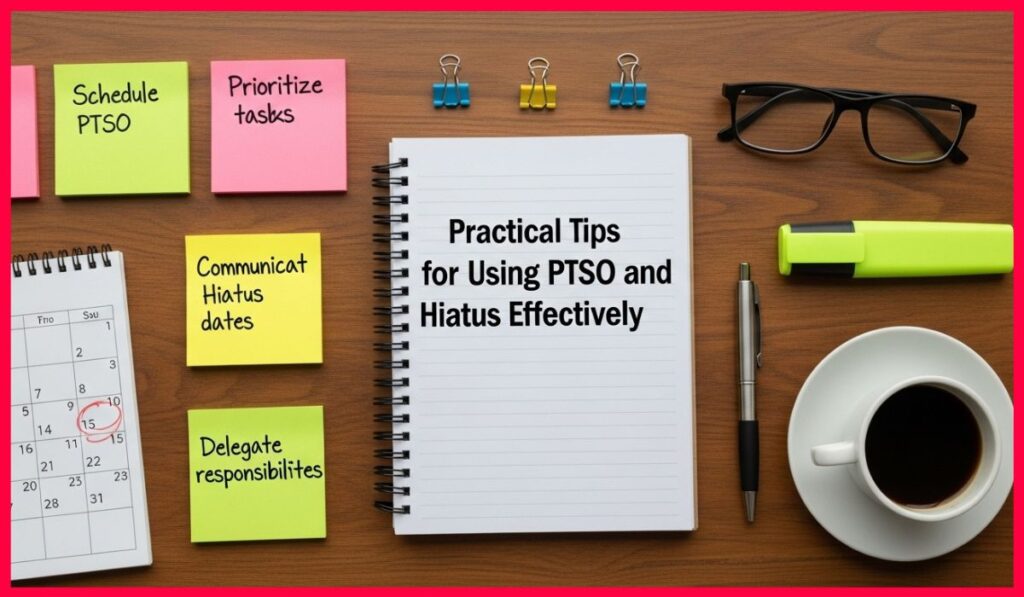
- Always clarify the timeline for pauses or breaks.
- Match the tone and nuance to your audience.
- Use alternative phrasing for better engagement and clarity.
- Combine formal and casual communication where appropriate.
- Keep students involved in planning, even during temporary suspension.
By following these guidelines, PTSO and hiatus cease to be confusing jargon and instead become tools for smoother, more engaging collaboration.
Freqeuntly Asked Questions
what does ptso mean
PTSO stands for Parent–Teacher–Student Organization, a collaborative school group including parents, teachers, and students.
what does ptso
It refers to a school association where parents, teachers, and students work together on events, fundraising, and community programs.
what does ptso mean on social media
On social media, PTSO usually indicates updates or announcements from the Parent–Teacher–Student Organization, like events or newsletters.
ptso meaning in text
In text, PTSO is shorthand for a school collaborative group that engages parents, teachers, and students in school activities.
ptso mean
Simply, it means a Parent–Teacher–Student Organization focused on school events, communication, and student involvement.
Conclusion
Who knew two simple terms could hold so much? PTSO isn’t just a committee; it’s a lifeline connecting parents, teachers, and students in meaningful ways. Hiatus isn’t just a break; it’s a chance to pause, reset, and communicate with clarity. Together, they represent the rhythm of modern school life—full of energy, collaboration, and thoughtful pauses.
So next time you see PTSO or hiatus in a newsletter, blog, or Instagram post, remember: there’s a world of collaboration, leadership, and human connection hidden in those little letters. And maybe, just maybe, you’ll see your role—parent, student, teacher, or faculty member—in a whole new, lively light.

Food lover, recipe creator & the heart behind NoshCrafters.com. Olivia shares mouthwatering, easy-to-make dishes that turn everyday meals into unforgettable bites. When she’s not experimenting in the kitchen, she’s busy plating up inspiration for home cooks everywhere.