
Money. It’s a funny thing, isn’t it? Some folks treat it like a strict boss, others like a wild pet they can’t control. I remember sitting at a tiny coffee shop in Seattle years ago, scribbling down ideas from a worn-out notebook while sipping on a Starbucks latte (thanks Howard Schultz for popularizing those moments).
Back then, I was drowning in debt, constantly anxious, wondering if I’d ever have enough. It wasn’t until I stumbled on the Money BetterThisWorld philosophy that things started to click. Suddenly, money wasn’t just bills and coins it was a reflection of my mindset, my choices, and yes, even my soul.
In this article, we’ll journey through how smart money thinking isn’t just for Wall Street hotshots or app developers tinkering on Robinhood. It’s for anyone who wants to reshape their life, make an impact, and maybe even sleep a little better at night. Let’s dive in.
| Aspect | Key Points |
|---|---|
| Philosophy | Money as a tool for personal growth & societal good |
| Mindset | Scarcity → Abundance, overcoming limiting beliefs |
| Financial Literacy | Understanding budgeting, investments, compound interest |
| Emotional Management | Mindfulness, journaling, emotional intelligence in finance |
| Self-Investment | Education, skills, health, personal development |
| Social Responsibility | Ethical spending, philanthropy, social entrepreneurship |
| Tools & Platforms | Mint, YNAB, Robinhood, Vanguard, Coursera, edX, Kiva |
| Influencers & Experts | Blake Mycoskie, Howard Schultz, Dr. Brad Klontz, Suze Orman, Robert Kiyosaki, Dave Ramsey |
| Impact | Transformative wealth, positive financial impact, community development |
| Practical Steps | Track expenses, automate savings, invest in growth, give back |
Understanding the Money BetterThisWorld Philosophy
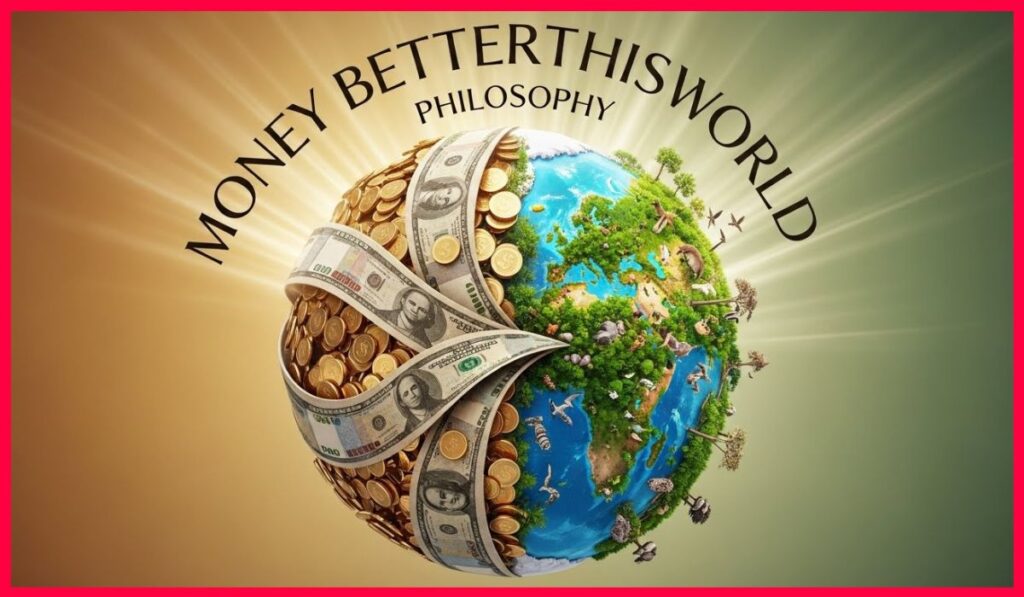
At its core, the Money BetterThisWorld philosophy is about seeing money as a tool for personal and societal transformation rather than a measure of self-worth. Think about it—most people are trapped in cycles of fear, guilt, or impulsive spending. Dr. Brad Klontz, a financial psychologist, talks about how limiting beliefs about money can lead to financial anxiety and stress that’s worse than the actual numbers in your bank account.
This philosophy asks you to ask questions like:
- Am I using money to survive or to thrive?
- How can my wealth create a positive financial impact for others?
- Am I investing in myself as much as I invest in my gadgets or material goods?
It’s not a magic bullet, but it shifts the focus from consumption to contribution, from stress to empowerment.
Smart Money Thinking: From Scarcity to Abundance
One of the biggest hurdles is the mindset of scarcity. You know, the one that whispers, “There’s never enough.” Suze Orman has spent decades helping people break free from that fear. Smart money thinking means moving beyond survival and toward abundance an abundance that isn’t just material but also emotional and social.
This doesn’t mean blowing cash irresponsibly. It’s about:
- Budgeting and expense tracking with apps like Mint or YNAB.
- Investing in your personal growth—think courses on Coursera or edX.
- Using money to foster community development projects and support causes through Kiva or TOMS Shoes initiatives.
The key is that every dollar has potential. You can let it sit in fear, or you can let it work for you, your family, and the world.
Financial Literacy as a Superpower
Here’s a little secret: most people hate math, but they love power. Financial literacy is the superpower that turns numbers into decisions that shape lives. Studies like the 2022 Pew Research Center survey show that people with higher financial literacy report lower stress and higher satisfaction.
Robert Kiyosaki, author of Rich Dad Poor Dad, emphasizes understanding compound interest, investments, and long-term financial planning. Knowing how your money grows—even slowly—changes your entire approach. And it’s not just about investing in stocks or real estate. Sometimes the smartest investment is in your own skills, health, or relationships.
Emotional Management of Money

Ever bought something you didn’t need just to feel better? Yup, we’ve all been there. Dave Ramsey, in The Total Money Makeover, stresses that emotional intelligence in finance is just as important as the numbers. Money carries feelings, and mismanaging those feelings can create financial anxiety.
Techniques to manage this include:
- Mindfulness and meditation for financial stress
- Journaling spending triggers
- Reframing purchases around personal fulfillment vs. survival
Think of money as a conversation with yourself: every decision reflects your values and your vision for the future.
Transformative Mindset Shifts
Here’s where things get exciting. When you start thinking differently about money, your entire life begins to transform. You begin to see:
- Money as a tool for social entrepreneurship
- Wealth beyond material possessions
- Your potential to make ethical business practices mainstream
Blake Mycoskie, founder of TOMS Shoes, exemplifies this. He turned business into a platform for good, showing that profit and purpose can coexist beautifully.
Self-Investment and Growth
The smartest money decisions aren’t always external. Investing in yourself yields returns that no market crash can erase. Courses, workshops, fitness, therapy, or even a quiet retreat are forms of financial investment with incredible ROI.
Platforms like edX and Coursera democratize learning, making skill-building accessible. Meanwhile, Vanguard and Robinhood let you grow your wealth while learning the ropes of investing. A wise person once said, “The best portfolio is the one that includes you.”
Read this Blog: https://noshcrafters.com/trend-pblinuxtech/
Ethical and Social Responsibility
Money smarter than you isn’t just personal—it’s communal. The Money BetterThisWorld philosophy champions using wealth to positively affect society. Ethical consumption, philanthropy, and investing in causes like renewable energy, education, or microloans change the narrative.
Take Patagonia as an example. Their commitment to sustainability proves that financial empowerment and social responsibility can coexist. Every purchase, every investment, every donation can be a statement of values.
Practical Strategies for Smart Money Thinking
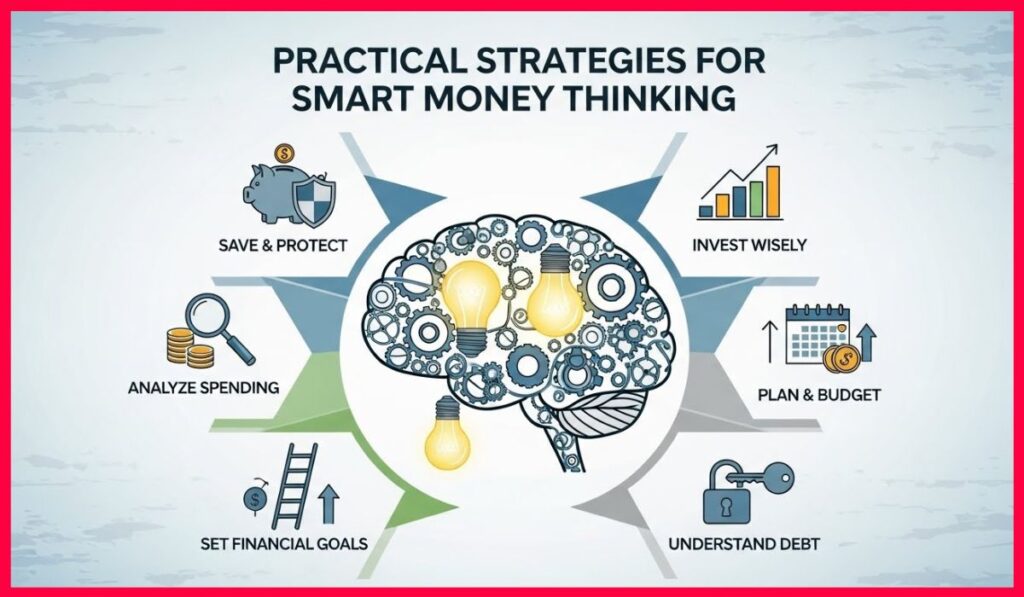
Here are some actionable ways to start applying this philosophy:
- Track every expense for a month using Mint or YNAB
- Automate savings to build an emergency fund
- Allocate a percentage of income to social impact or charitable giving
- Set long-term goals and check progress monthly
- Practice gratitude for what money allows you to do, not just what it buys
Remember, it’s not about perfection it’s about mindful decisions that align with your values.
Overcoming Limiting Beliefs About Money
Many people carry invisible chains beliefs like “I’ll never be rich” or “I’m bad with money.” These beliefs limit potential, sometimes more than actual finances do. Working with financial therapists or resources like NEFE (National Endowment for Financial Education) can help dismantle these barriers.
Replacing limiting beliefs with empowering ones fuels transformative wealth, helping you make choices with confidence and clarity.
Frequently Asked Questions
What is the Money BetterThisWorld philosophy?
It’s a mindset that sees money as a tool for personal growth, societal impact, and long-term fulfillment rather than just accumulation.
How can I practice smart money thinking?
Track expenses, invest in yourself, plan long-term, and align spending with values and positive impact.
Which tools help with Money BetterThisWorld strategies?
Apps like Mint, YNAB, Robinhood, and platforms like Coursera or edX support budgeting, investing, and learning.
How does emotional management affect finances?
Mindfulness, journaling, and understanding spending triggers reduce financial anxiety and improve decision-making.
Can Money BetterThisWorld impact society?
Yes, ethical spending, philanthropy, and social entrepreneurship allow your money to create positive financial impact in communities.
Conclusion: Making Money Work for You and the World
So, here’s the heart of it: smart money thinking isn’t just a financial strategy—it’s a lifestyle. It’s about seeing every dollar as a seed that can grow into personal growth, community improvement, or even global change. By applying principles from financial literacy, emotional management, and the Money BetterThisWorld philosophy, you can turn stress into empowerment, scarcity into abundance, and fear into meaningful action.
Start small, start today. Whether it’s investing in your education, supporting a nonprofit, or simply practicing gratitude for what you have, each step reshapes your financial story. And remember, true wealth isn’t counted in currency alone—it’s measured in the impact you create, the lessons you learn, and the peace of mind you cultivate.
Food lover, recipe creator & the heart behind NoshCrafters.com. Olivia shares mouthwatering, easy-to-make dishes that turn everyday meals into unforgettable bites. When she’s not experimenting in the kitchen, she’s busy plating up inspiration for home cooks everywhere.