
There’s this peculiar charm the internet has, the kind that sneaks into your day when you least expect it. Maybe you’re scrolling through social media platforms late at night, sipping your coffee, when someone drops a joke you don’t fully get at first. That was the feeling for millions when Ligma first appeared in May 2018—a joke so sly, so perfectly baited, that it felt like stepping into a digital hall of mirrors.
It’s funny, absurd, slightly mischievous, and somehow emblematic of internet culture itself. Some might dismiss it as trivial, but memes like Ligma aren’t just about laughter—they reflect how communities, especially youth and gamers, communicate, provoke, and bond online.
The first time I personally encountered Ligma, it was on a Reddit thread where someone casually asked, “Did you hear about Ninja? He got Ligma.” I blinked. Then I blinked again. And then, inevitably, I fell for it, chuckling at the classic bait-and-punchline joke structure that underpins so many internet hoaxes.
From there, it spiraled. By July 2018, this joke had gained traction across platforms, with variations popping up like wildflowers after a rainstorm: Sugma, Bofa, Sugondese, Grabahan. Each one slightly different, each one another tiny invitation to fall into the same playful trap.
Ligma: More Than Just a Meme
At first glance, Ligma might seem like just a silly word invented to prank the unsuspecting. But beneath its nonsense spelling and absurdity lies a fascinating case study in digital communication. Linguists might smile at the way it plays with vowel adjacency and phonological processes, while meme enthusiasts marvel at how a fictitious term / hoax can achieve global virality almost overnight.
Ligma’s genius isn’t only in its pronunciation or the humor it provokes—it’s in how it creates a shared experience. There’s this unspoken thrill in catching someone off guard, in being part of an inside joke. And in that sense, it’s deeply social. Just like Fortnite streamer Ninja’s audience rallied around epic plays and streaming antics, online communities rallied around a word that had no real meaning, yet everyone suddenly understood its cultural weight.
The Anatomy of the Joke
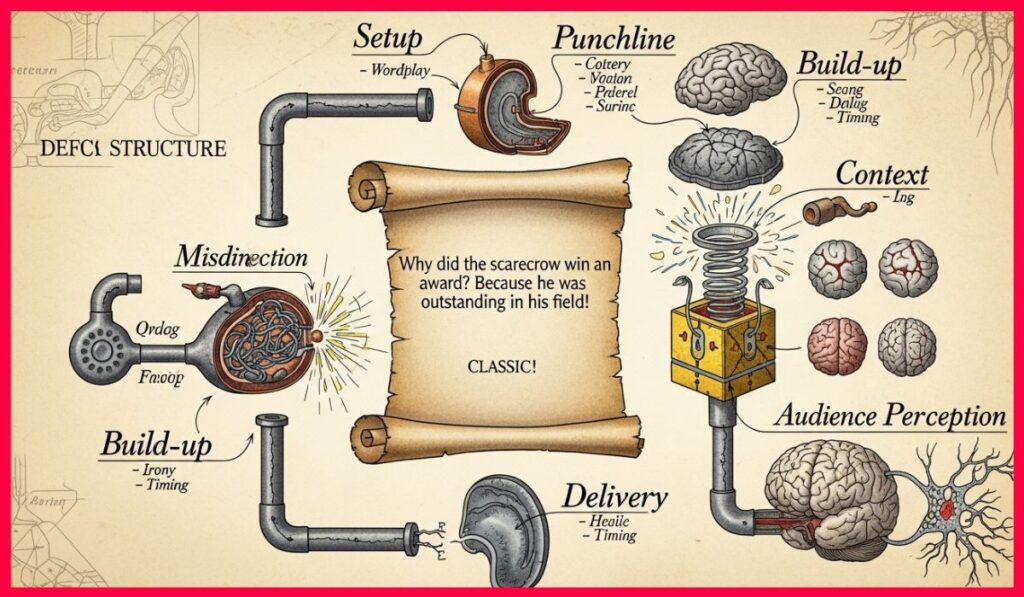
Understanding why Ligma works involves a little bit of linguistic curiosity. Its humor stems from a bait-and-punchline joke structure: someone mentions Ligma, you ask “What’s Ligma?” and then, bam—the punchline hits, often with a crude twist that surprises and delights. It’s mischievous, provocative, and borderline audacious.
This structure is familiar in meme culture, where misdirection and timing are everything. And while Ligma itself is just a word, its cousins—Sugma, Bofa, Sugondese, Grabahan—follow the same template, a sort of linguistic phenomenon where pronunciation and context drive the humor. Meme creators sometimes refer to this as humor and provocation, a way to test boundaries in digital communication without serious consequence.
Interestingly, there’s also a lesson in timing here. Memes often thrive in hiatuses, moments when a community needs a break, a laugh, or a simple distraction. Think of Ligma as a brief interlude, a recess in the endless scroll of content, a little digital respite that temporarily suspends seriousness for shared amusement.
Why It Became Viral
By July 2018, Ligma wasn’t just a meme—it was a phenomenon. Its virality shows us a lot about youth culture and social media virality. It’s not just about the joke itself, but about context, timing, and the community-building among gamers / online users.
Platforms like Twitter, Instagram, and Reddit became breeding grounds for creativity. Every share, screenshot, or spin-off extended its life. And here’s the kicker: the joke’s ambiguity made it adaptable. You could hear it whispered in Discord servers, see it meme-ified on Instagram stories, or even hear references during casual conversations. The meme became a digital trend, a shared code of humor among those who “got it” versus those who didn’t.
Cultural and Linguistic Implications
Although it might seem trivial, Ligma has deeper cultural implications. It’s a study in language and pronunciation, showing how anatomical openings in word structure—literally, the holes and vowels of a nonsense term—can drive humor. More broadly, it reveals the appropriateness / offensiveness in different contexts: what’s hilarious in a gamer chat might be confusing or rude in a professional email.
It also underscores the rise of internet humor as a cultural artifact. Memes like Ligma aren’t just jokes—they’re markers of generational expression, snapshots of the zeitgeist. They tell us how communities form, how shared knowledge is passed, and how humor can be both inclusive and exclusive depending on whether you’re “in the know.”
Read This Blog: https://noshcrafters.com/habibti-meaning/
The Variants: Sugma, Bofa, Sugondese, Grabahan
What makes Ligma even more fascinating is its derivatives. Each meme variant follows the same basic principle: a seemingly ordinary word concealing a punchline that catches you off guard. Sugma, Bofa, Sugondese, and Grabahan illustrate a kind of linguistic branching tree in meme culture, demonstrating how digital communities remix humor to keep it alive.
These variants also highlight the inside joke nature of internet communities. Each one carries cultural weight within its group, forming bonds over shared understanding, and occasionally, shared embarrassment at falling for the joke. In short, they’re tiny markers of community-building and digital communication mastery.
Ligma in Modern Meme Culture
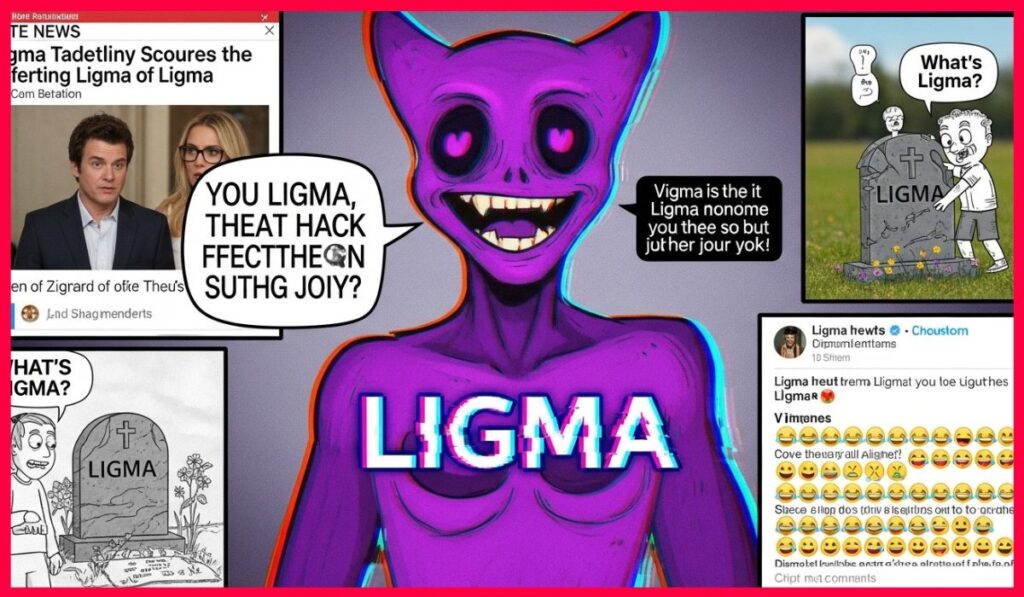
Even years after its first appearance, Ligma remains a reference point for meme culture scholars and enthusiasts alike. It’s cited in discussions about viral hoaxes, digital trends, and the mechanics of internet humor. The joke has crossed generational boundaries, occasionally popping up on social media platforms as a nostalgic nod to the wild creativity of May 2018 and July 2018.
Memes like Ligma are also fascinating in the context of hiatus—moments when online communities pause serious content to indulge in absurdity. It’s a gentle reminder that humor is not just entertainment; it’s a form of cultural lubrication, keeping the gears of digital communication running smoothly.
Practical Lessons for Digital Communication
So what can we, as participants in online communities, learn from Ligma? First, timing matters. A meme thrives not just because it’s funny, but because it appears in the right moment, often filling a social interval or recess when attention is high.
Second, context is king. Understanding your audience—knowing when a joke is appropriate—is crucial. Ligma’s humor works best in spaces like gamer chats or meme forums, where users share a baseline knowledge. Outside of that, its punchline can be confusing, even offensive.
Finally, engagement is key. Memes succeed because they invite participation. When you share, remix, or comment, you’re participating in a living form of community-building among online users, reinforcing bonds through laughter.
Freqeuntly Asked Questions
Ligma Variations
Ligma has spawned several playful derivatives like Sugma, Bofa, Sugondese, and Grabahan, each following the same bait-and-punchline joke structure.
What is Ligma Meme
The Ligma meme is a viral internet joke from May 2018, using a fictitious term to trick people into asking “What’s Ligma?” before delivering a humorous or crude punchline.
Whats a Ligma
Ligma itself is a made-up word / hoax with no real meaning, designed to prank the unsuspecting as part of online meme culture.
Who is Ligma
Ligma is not a person; it’s a fictitious term used in memes, sometimes jokingly associated with public figures like Fortnite streamer Ninja for humorous effect.
Ligma Alternatives
Popular alternatives include Sugma, Bofa, Sugondese, and Grabahan, which mimic the same style of online joke for digital communities and internet humor.
Conclusion
Ligma may have begun as a simple, mischievous prank in May 2018, but it grew into something more—a snapshot of internet culture, a linguistic experiment, and a playful social glue that brought communities together. Its derivatives like Sugma, Bofa, Sugondese, Grabahan keep the humor alive, reminding us that memes are not just fleeting jokes, but reflections of shared understanding and creative energy.
In the end, the story of Ligma isn’t just about a word; it’s about how we communicate, laugh, and connect in the digital age. It’s proof that even the silliest joke can leave a mark, shape a culture, and offer a brief, joyful hiatus from our otherwise busy online lives. So next time you see a playful term pop up in a Discord server or on a Fortnite streamer clip, remember—memes like Ligma are more than just funny words; they’re bridges, bonding people through shared laughter, curiosity, and the enduring joy of a perfectly executed prank.

Food lover, recipe creator & the heart behind NoshCrafters.com. Olivia shares mouthwatering, easy-to-make dishes that turn everyday meals into unforgettable bites. When she’s not experimenting in the kitchen, she’s busy plating up inspiration for home cooks everywhere.