
You ever notice how some words just happen to you? Like one day, they pop out of nowhere, slide into conversations, and suddenly everyone’s using them. “Ketchum” is one of those. It’s got that sound — playful yet packed with drive, like it’s sprinting toward something it really wants. And honestly, maybe that’s exactly what it is.
In 2025, the internet’s language feels like a living organism. Every meme, emoji, and slang term seems to breathe. Somewhere between ambition and exhaustion, between doing too much and doing nothing at all, lives Ketchum. It’s more than a word — it’s a mood, a state, almost like being “in the zone” but with a sprinkle of obsession and self-discovery.
But here’s the twist: Ketchum doesn’t just exist alone. It dances right next to its softer twin — Hiatus. And the two couldn’t be more different yet somehow complete each other, like day and night, hustle and pause, Ash Ketchum and his loyal Pikachu. Let’s dive deep into how a word from Old English, shaped by Latin roots and pop culture, became a mirror of modern ambition and rest.
What Does “Ketchum” Really Mean?
So, first thing first — what does Ketchum even mean? The word itself has quite a tangled story. Historically, “Ketchum” was a surname derived from early English and possibly Old English roots tied to the idea of a homestead or settlement. But in modern slang, Ketchum has escaped those old fences and found a new playground online.
People use “Ketchum” like a verb — Ketchum-ing — when they’re in that hyper-focused, all-in, “don’t talk to me, I’m grinding” kind of energy. Some even call it “being in Ketchum mode.” It’s when ambition takes the wheel, passion fuels the tank, and sleep becomes just another negotiable.
In digital communication trends, this term carries a bit of Pokémon sparkle — drawn straight from Ash Ketchum, the forever-young Pokémon Master chasing perfection. But unlike Ash, who never seems to age, real humans can’t always stay in that mode forever. That’s where Hiatus comes in like a gentle reminder: “Hey, even champions need a breather.”
The Pop Culture DNA: Ash Ketchum’s Symbolism
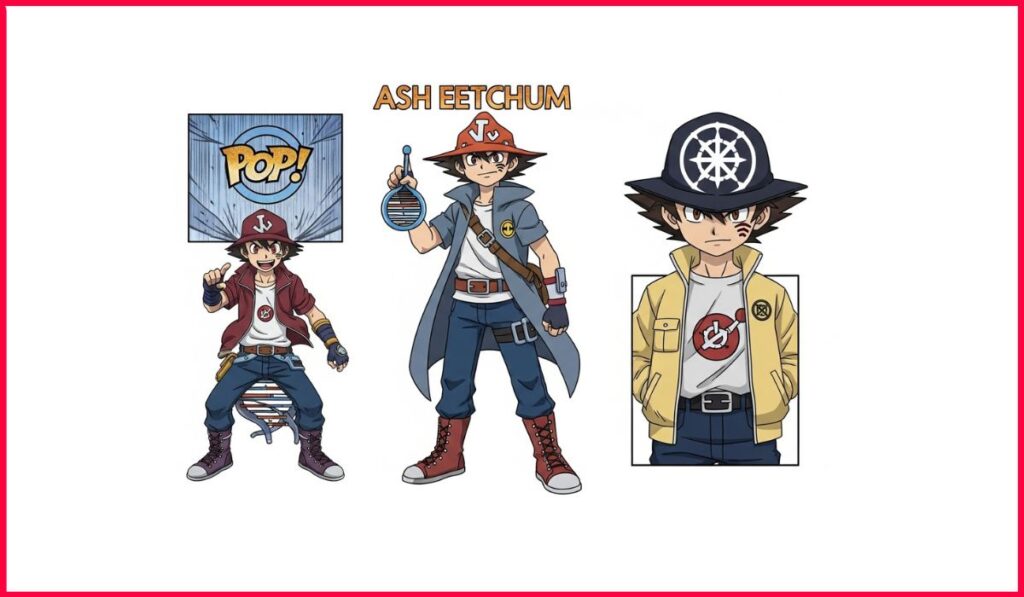
Now let’s get something straight. When people say they’re in Ketchum mode, they’re not just making a joke about Pokémon. They’re invoking a whole cultural archetype.
Ash Ketchum represents determination, persistence, and that youthful, slightly reckless ambition that refuses to back down. It’s the spirit of “I’ll try again tomorrow,” even after losing for the hundredth time. In pop culture, his name has become shorthand for unstoppable drive — the kind of energy that defines people chasing dreams, startups, or personal goals.
So, in 2025’s language evolution, “Ketchum” became this catchy, shorthand way to describe someone who’s not just working hard — they’re chasing their destiny, Pokémon-style. Whether you’re coding at 3 AM, finishing your novel, or building your dream business, when you say “I’m in Ketchum mode,” everyone gets it.
Hiatus Meaning: The Art of Stepping Back
But what happens when Ketchum energy burns a little too bright? You guessed it — Hiatus.
The word hiatus has a poetic ancestry. Coming from the Latin root “hiare,” meaning “to gape” or “to open,” it symbolizes a pause — not an end, just space. A gap for breath, reflection, renewal. It’s like the universe saying, “Hold on, take a moment.”
In today’s world of digital noise, Hiatus has become almost rebellious. Whether someone’s announcing a social media break, a professional sabbatical, or simply “taking a breather,” it carries both vulnerability and power. A hiatus isn’t quitting — it’s recalibrating.
Think of it as a gentle contrast to Ketchum’s wild chase. One runs, the other rests. One burns, the other heals. Yet, both are necessary parts of the same human rhythm.
Ketchum vs Hiatus: The Dance of Drive and Pause
Here’s where it gets interesting — Ketchum and Hiatus aren’t rivals. They’re partners in a cycle that defines the creative and emotional pulse of life.
- Ketchum is Ambition — that spark when ideas come alive.
- Hiatus is Reflection — when you step back to remember why you started.
- Ketchum thrives on Drive, Hiatus restores Clarity.
- Ketchum is the storm, Hiatus is the calm after.
Modern linguists and digital thinkers even point out that our slang mirrors our mental states. In a world obsessed with being productive, words like “Ketchum” celebrate passion. But equally, words like “Hiatus” remind us of mental health, self-care, and the quiet strength in saying, “not today.”
The Language Evolution: From Homestead to Hashtag
What’s wild about Ketchum is how it jumped from being a sleepy surname in Old English to becoming a linguistic sparkplug in modern slang.
The original meaning tied to settlement or homestead — something grounded, stable. Fast forward to digital communication in 2025, and Ketchum now means quite the opposite: motion, ambition, pursuit.
This transformation shows how language reflects culture. Just as the world moved from stillness to speed, words followed. A surname rooted in the earth became a verb soaring through Wi-Fi. That’s not just cool — it’s poetic evolution.
And then, when paired with Hiatus, you see the pendulum swing back toward balance — language reinventing itself to match our emotional cycles.
Modern Alternatives to Hiatus: Saying “Pause” Without Sounding Gone Forever

Sometimes you don’t want to say you’re on hiatus. It sounds too final, like disappearing. But luckily, the internet has birthed softer, more human alternatives:
- “Taking a breather” — casual, light-hearted, almost like a wink.
- “On hold” — neutral, a good one for professional contexts.
- “Pressing pause” — reflective but optimistic.
- “On sabbatical” — academic, polished, and polite.
- “Stepping back” — honest and human.
- “Recharging” — a modern favorite, especially on social media.
Each phrase carries a slightly different tone and context — you’d use them based on whether you’re writing a formal note, a tweet, or an email to your boss. This flexibility shows just how semantic nuance and word choice shape how we connect emotionally.
The Psychology Behind Ketchum-ing
Ever felt that rush when you’re so deep in something that time bends? That’s Ketchum-ing. Psychologists might call it flow, but slang always finds a cooler way to say things.
Being in Ketchum mode can feel electric — your focus sharpens, your passion spikes, and you’re buzzing with purpose. But too much of it can tip into burnout. That’s when you slide into Hiatus mode — not by choice, but necessity.
In 2025, conversations around mental health, creative burnout, and work-life balance have made this dynamic more visible. So while Ketchum celebrates hustle, it’s Hiatus that reminds us we’re human.
From Pokémon to Philosophy: What Ash Taught Us About Balance
Let’s not underestimate the wisdom hiding in cartoons. Ash Ketchum never stopped chasing Pokémon, but he also paused, reflected, grew. His story, in a strange poetic way, teaches both Ketchum and Hiatus.
There’s a lesson in watching someone chase something for years — that determination without renewal isn’t sustainable. The human spirit needs both the chase and the rest.So when someone online says, “I’m in Ketchum mode,” maybe the smartest response isn’t “Good luck!” — it’s “Don’t forget your Hiatus.”
How to Choose Between Ketchum and Hiatus in Real Life

Let’s be real — sometimes you don’t know if you should push harder or step back. The line’s blurry. Here’s a little guide for self-check:
- If you wake up buzzing with ideas → You’re in Ketchum mode. Go chase.
- If you wake up tired, even after sleeping → It’s Hiatus time. Step back.
- If you’re losing joy in your work → Pause and re-evaluate.
- If you can’t stop thinking about your next step → Channel that into creation.
The beauty of language is it gives us ways to label our states. Once you name it — you can manage it.
Etymology Corner: Roots, Riddles, and Renewal
Let’s rewind for a sec. Both Ketchum and Hiatus trace their stories deep into etymology.
- Hiatus: From Latin “hiare”, meaning to open, like a mouth breathing in air. It’s literally a gap that gives life.
- Ketchum: Possibly from Old English settlement words, or even borrowed phonetically from cultural references, morphing into a metaphor for pursuit and passion.
It’s wild how words born centuries apart can end up connected in our daily slang. That’s language — unpredictable, emotional, alive.
Final Thoughts
So, what does Ketchum mean? It means being alive enough to care deeply. To chase dreams even when they seem out of reach. And what does Hiatus mean? It means caring enough to rest, reflect, and come back stronger.
The two together form a cycle we all live through — the endless loop of ambition, pause, and renewal.
As we move deeper into 2025, maybe the real wisdom isn’t in staying in one mode forever. Maybe it’s in knowing when to switch.
So go ahead — be bold, be Ketchum-ing, but remember to breathe. The world will still be here when you hit play again.
read Thiis Blog: https://noshcrafters.com/snowball-kiss-meaning/
Freqeuntly Asked Questions
Is Ketchum an English word?
Yes, Ketchum originated as an Old English surname but has evolved in modern slang to represent ambition and hyper-focus, often inspired by Ash Ketchum from Pokémon.
What does Ketchum mean in slang?
In slang, Ketchum refers to being in an intense, all-in mode of drive, determination, and focus, sometimes expressed as “Ketchum-ing” or “in Ketchum mode.”
What is the meaning of Hiatus?
A hiatus is a temporary pause or break, derived from the Latin word “hiare”, used to reflect rest, reflection, or stepping back from activities.
How is Ketchum related to Ash Ketchum?
The slang usage is inspired by Ash Ketchum, the Pokémon Master, symbolizing persistence, ambition, and youthful determination in pop culture.
What are modern alternatives to Hiatus?
Alternatives include phrases like “taking a breather,” “on sabbatical,” “pressing pause,” or “stepping back”, which convey a temporary break without implying permanent absence.

Food lover, recipe creator & the heart behind NoshCrafters.com. Olivia shares mouthwatering, easy-to-make dishes that turn everyday meals into unforgettable bites. When she’s not experimenting in the kitchen, she’s busy plating up inspiration for home cooks everywhere.