
Language is kinda magical, isn’t it? It carries not just words, but feelings, memories, and tiny pieces of culture. Amongst the many expressions that melt hearts, one that often pops up in Arabic conversations is habibti.
It’s not just a word it’s a warm hug wrapped in letters, a whisper of affection, and a little sprinkle of intimacy. In this guide, we’ll unravel habibti, explore its uses in texts, social media, and personal notes, and peek at some alternatives that keep your words feeling fresh and sincere.
What Does Habibti Mean?
| Term | Language | Gender | Meaning | Usage Contexts |
|---|---|---|---|---|
| Habibti | Arabic | Female | My beloved, my darling | Text messages, social media, personal notes, birthday cards, casual & affectionate conversations |
| Habibi | Arabic | Male | My beloved, my darling | Same as above, but used for males |
| Habiti | Arabic | Female | Misspelling of Habibti | Same as Habibti, informal contexts |
| Literal Meaning | Arabic | N/A | My beloved, my darling | Formal and informal, affectionate term |
| Common Recipients | N/A | Female | Wife, girlfriend, daughter, sister, close female friend | Texting, casual chats, social media posts, personal notes |
At its core, habibti literally means “my beloved” or “my darling.” It’s the feminine form of habibi, which you’d use when addressing a man. Picture this: you text your girlfriend, sister, or close female friend, and drop a “habibti” in there—instant warmth.
It’s more than affection; it’s an invitation to share closeness, to say “you matter to me” without spelling it out entirely. The word carries centuries of Arabic roots and cultural nuances, making it both intimate and poetic.
Habibti in Everyday Conversations
Text messages, social media posts, casual notes, all these platforms welcome habibti beautifully. You might see:
- “Good morning, habibti! May your day be filled with sunshine and smiles.”
- “See you tonight, habibti, can’t wait to catch up!”
- “All the best on your presentation today, habibti—Godspeed!”
Notice how it blends seamlessly with well-wishing phrases like Cheers, Break a Leg, and sending positive vibes. It’s versatile—whether informal or slightly formal, it can fit the context depending on tone and relationship.
Habibti vs. Habibi: Gendered Nuances
Understanding habibti also means knowing its counterpart habibi. While habibi is masculine, both share the same root in Arabic language, representing affection and intimacy. Misusing one over the other might feel like a small misstep culturally, but in casual texts and social media, context usually smooths it out. Think of it like NASA acronyms—one wrong letter can completely stand for something entirely different!
Using Habibti with Different People
Habibti isn’t only reserved for romantic settings. It’s frequently used with:
- Wife or girlfriend: To express love and intimacy.
- Daughter or sister: A gentle term for familial affection.
- Close female friends or colleagues: Casual warmth that says you care.
It’s interesting to note that in professional emails, one might replace it with more neutral terms, but in personal notes or birthday cards, habibti adds a personal, heartfelt touch.
Habibti in Text Messages
Texting is a whole world on its own. You can sprinkle habibti in short, punchy sentences or even weave it into longer, reflective ones. For example:
- “Hey habibti, hope your meeting goes smoothly today! Break a Leg!”
- “Lunch tomorrow? I’ll bring your favorite snack, habibti.”
- “Can’t stop thinking about our trip last week, habibti—so many laughs.”
It’s amazing how one tiny word can add warmth and intimacy without needing extra emojis or exclamation marks.
Social Media and Public Usage
On platforms like Instagram, Facebook, and Twitter, habibti often shows up in captions, shout-outs, or comments. People combine it with encouragement and positive vibes:
- “Congrats, habibti, on your promotion! All the Best!”
- “Sunset walks with my bestie habibti, nothing beats this!”
- “Sending love and strength to all my girls, habibti everywhere 💕”
Its cultural resonance shines here, bridging languages and cultures in a simple, universal way.
Alternatives to Habibti
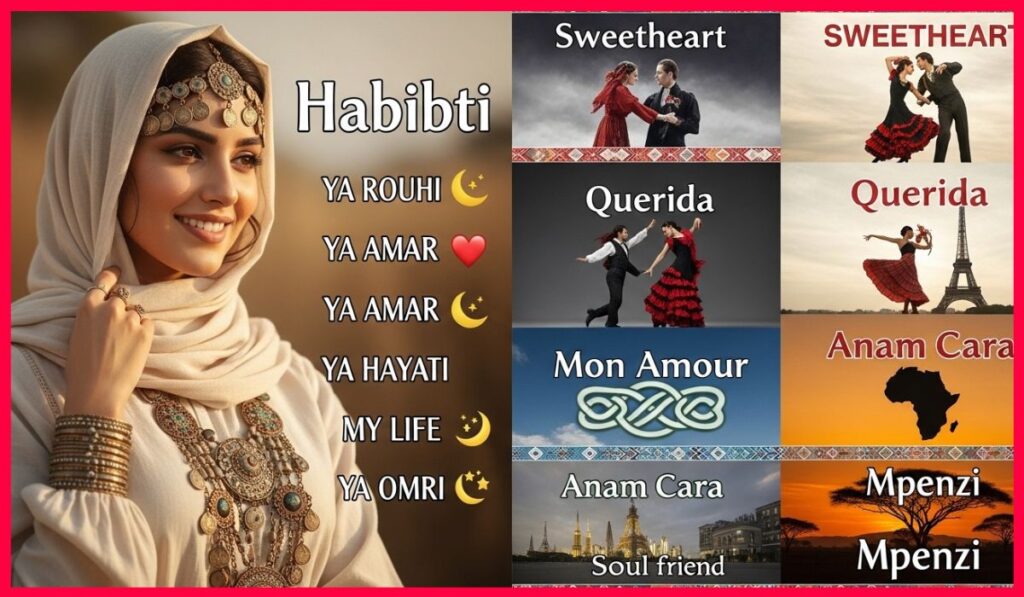
Sometimes, habibti feels too intimate or you just want variety. Luckily, there are many alternatives in Arabic, English, and other languages that carry similar affection:
- Sweetheart, darling, dear – classic English equivalents.
- Amor, querida – Spanish counterparts.
- Habibti-like nicknames – short forms or playful tweaks used among friends.
Each alternative can be chosen depending on your relationship, context, or medium. For instance, in professional emails, you’d go safer; in personal notes, you can go bold and loving.
Habibti Across Cultures
Interestingly, the affection embedded in habibti translates in spirit even if the literal word doesn’t. Across Middle Eastern and Western cultures, people use endearments differently, but the essence—closeness, love, and positive intention—remains constant.
Parents might say it to daughters, friends to friends, or lovers in private messages. One mother shared, “Calling my daughter habibti in texts makes the distance vanish—it’s like hugging through words.”
Tips for Using Habibti Effectively
- Know your audience: Use it with people who appreciate intimacy and warmth.
- Combine with well-wishing phrases: Like Godspeed, Cheers, Take Care, or sending positive vibes.
- Adjust for medium: Short in texts, playful in social media, subtle in personal notes.
- Timing matters: Sprinkling it during moments of success or encouragement enhances its impact.
- Be authentic: It’s not just a word, it’s a sentiment—don’t force it.
Fun Ways to Deliver Your Message
- Digital notes: Personalize your habibti messages with emojis, gifs, or mini-stories.
- Social media shout-outs: Tag friends or family with a “habibti moment” photo.
- Cards and gifts: Handwritten messages with habibti feel heartfelt and timeless.
Read this Blog: https://noshcrafters.com/mucho-gusto-meaning/
Freqeuntly Asked Questions
what does habibti mean
Habibti is an Arabic term of endearment for females, meaning “my beloved” or “my darling.”
what does habiti mean
Habiti is usually a misspelling of habibti, and it carries the same meaning: “my beloved” or “my darling.”
habibti means
Habibti means a feminine expression of love, affection, or closeness, often used for wives, girlfriends, daughters, or close female friends.
habiti meaning
Habiti meaning is identical to habibti, representing warmth, intimacy, and affection toward a female.
what does habibti mean in arabic
In Arabic, habibti literally translates to “my beloved” or “my darling,” used as a loving term for women.
Conclusion
In the end, habibti is more than just a term. It’s an expression of love, warmth, and connection, versatile across texts, social media, and personal notes. Whether whispered in a casual chat, shouted in excitement online, or written carefully in a birthday card, it carries centuries of culture and affection in just one word.
Using habibti thoughtfully, paired with well-wishing phrases like Godspeed, Break a Leg, Cheers, or sending positive vibes, creates moments of genuine connection. So next time you reach for a word to brighten someone’s day, remember: a simple habibti can speak volumes.

Food lover, recipe creator & the heart behind NoshCrafters.com. Olivia shares mouthwatering, easy-to-make dishes that turn everyday meals into unforgettable bites. When she’s not experimenting in the kitchen, she’s busy plating up inspiration for home cooks everywhere.