
Language isn’t just words—it’s feelings, intentions, and sometimes, little facades we wear for the world. You know that moment when someone says they’re “taking a break,” but you can’t quite tell if they really mean it? Or when a friend goes quiet online, and their Instagram post feels like a coded message? That’s where Fein meaning steps in, like this invisible thread between honesty and pretense.
In texting, on social media, or even in casual chit-chat, people often “fein” without realizing it. And understanding this tiny word—or maybe not-so-tiny nuance—can change how you read a conversation forever.
Fein like she don’t care,” people joke online. But there’s a lot more under that surface. It’s about pretending, faking, or acting detached, sometimes deliberately, sometimes unconsciously.
In a world of constant updates and digital transparency, knowing Fein definition helps us decode social cues and, perhaps, communicate more authentically ourselves.
What Does Fein Mean? Breaking It Down
At its core, Fein definition revolves around pretending or showing a “feigned absence.” Imagine someone stepping away from texts or social media posts, telling you they’re “busy” or “on a hiatus,” but really, they’re just putting on a mask. That’s feigned break behavior, where the emotional tone is deliberately muted, and the communication is intentionally vague.
From a linguistic standpoint, Fein meaning is fascinating. It bridges informal language with emotional nuance. In texting, it could be:
- Not replying immediately but dropping occasional vague messages.
- Acting distant on purpose, even when you’re not truly disengaged.
- Using phrases like “taking a reflective break” that sound professional but hint at a fake emotional distance.
So, Fein in texting or on social media is often more about tone than the literal words. It’s a subtle play of mock detachment—a little drama, a little self-protection, all wrapped in modern slang.
Fein Hiatus Meaning: When “Break” Isn’t Really a Break

Here’s where it gets tricky. People often mix up hiatus meaning explained with fein hiatus meaning. A true hiatus is a genuine pause—a mental reset, a professional break, a step back to recharge. But a fein hiatus? That’s pretending to pause while staying half-present, sometimes just for appearances.
Consider these examples:
- Someone posts “stepping away for clarity” but keeps lurking online.
- “Taking a reflective break,” yet still liking posts quietly.
- Saying “intentional pause” in an email, but replying selectively.
The difference lies in authentic communication vs fronting behavior. A real hiatus reflects emotional clarity, while a fein hiatus is a form of insincerity—not harmful necessarily, but layered with mock detachment.
Fein vs Fake: Nuances You Can’t Ignore
Many think fein vs fake are interchangeable. Not quite. Faking is broad: it’s about pretending feelings, intentions, or involvement. Fein, however, is often subtler—it’s a feigned emotional or social absence.
- Fake: I’m excited about your party, but actually, I’m not.
- Fein: I’ll step back for a while, look distant, but I’m quietly observing.
In short, fein pretending definition is about social camouflage, while faking is a more general emotional mask. Online, Fein meaning TikTok or Instagram contexts reflects this pattern clearly. People “fein like they don’t care” to create space without drama—but the digital savvy can always tell.
Cultural Roots: Féin and Self-Expression
Interestingly, Fein also has cultural roots. In Irish/Gaelic, Féin means “self.” This adds a rich layer: sometimes when we fein, we’re expressing a kind of self-preservation, or selective engagement. It’s not inherently negative. Social behavior scholars note that a little emotional detachment can protect mental health, especially in highly connected environments.
For example, some young adults use fein social media breaks not as deception but as a self-regulated mental pause. They craft messages that signal absence while safeguarding emotional space—a nod to intentional pause in professional communication tone.
Polite Alternatives to Hiatus
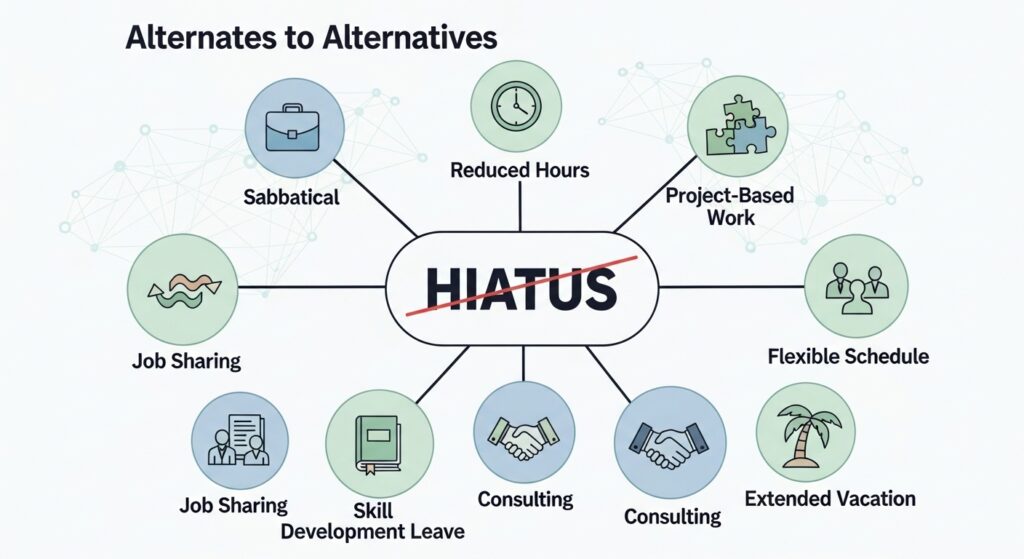
If you’re in business or professional settings, Fein definition meets another challenge: politeness. Saying “I’m on a break” may sound abrupt or even insincere. Here are some polite alternatives to hiatus:
- “Taking a reflective pause for clarity.”
- “Stepping away temporarily to recharge.”
- “Engaging in a brief period of focused absence.”
- “Scheduling intentional downtime for mental clarity.”
Notice how these phrases respect authentic expression while avoiding the fronting behavior or mock detachment that might make others question your intent. It’s professional wording for pause without losing emotional intelligence.
Fein in Real-Life Communication
Understanding Fein emotional meaning can also enhance face-to-face interactions. People pretend, feign emotional detachment, or act aloof not just digitally but personally:
- A colleague nodding politely but showing minimal engagement.
- A friend “off the grid” yet checking updates surreptitiously.
- Someone saying “I’m fine” with a tone that screams otherwise.
Recognizing genuine vs fake emotions lets us respond empathetically instead of reacting to facades. And in conversations, you can even adopt linguistic nuance to signal care while respecting personal space.
Digital Communication Patterns
Text slang, abbreviations, and casual shortcuts amplify Fein in texting. Platforms like TikTok, Instagram, and Twitter have popularized shorthand expressions:
Read this Blog:https://noshcrafters.com/icl-meaning/
- “BRB” or “AFK” as a pretend hiatus.
- Emoji-only replies to create emotional distance.
- Hashtags like #SteppingBack subtly indicate intentional pause.
These behaviors are part social behavior, part digital etiquette, and entirely human. They reflect our ongoing negotiation with attention, presence, and authenticity in the age of constant connection.
Practical Tips: How to Detect or Use Fein Wisely
- Look for context, not just words – tone and timing matter.
- Observe engagement patterns – sudden silence can be meaningful.
- Respect pauses – if someone feigns a break, it might be protective.
- Communicate clearly yourself – avoid pretending, aim for authentic expression.
- Use polite language – phrases like “temporary pause for focus” work wonders professionally.
Whether you’re managing a team, texting friends, or curating your social media presence, balancing emotional clarity with social nuance is key.
Conclusion: Embracing the Art of Fein
Fein is more than a slang word; it’s a window into emotional intelligence and communication sophistication. From casual texts to professional memos, knowing the Fein meaning and its nuances lets us navigate the subtle space between presence and absence. It teaches us that pretending isn’t always bad—it can be protective, reflective, or strategic.
Next time someone tells you they’re “taking a break,” ask yourself: is this a fein hiatus, a true pause, or a blend of both? And maybe, just maybe, embrace the chance to feign a little understanding, a little patience, and a little care. After all, communication is not just about words—it’s about genuine connection, layered emotion, and the timeless dance of human interaction.
Frequently Asked Questions
fein definition slang
Fein definition slang refers to pretending or acting detached, often in texts or social media, to create a “feigned absence.”
what does fein mean in slang
In slang, fein means to fake emotions, act uninterested, or appear distant while still observing or engaging subtly.
is fein a word
Yes, fein is a word used in both slang and cultural contexts, sometimes originating from Irish/Gaelic Féin, meaning “self.”
what does fein mean slang
Fein slang meaning is about fronting or faking a break, showing mock detachment, or subtly pretending not to care.
what does the word fein mean
The word fein can mean “self” in Gaelic or, in modern slang, refer to pretending, faking, or acting emotionally distant.
If you want, I can also rewrite them in an even snappier, reader-friendly style perfect for SEO FAQs. Do you want me to do that?

Food lover, recipe creator & the heart behind NoshCrafters.com. Olivia shares mouthwatering, easy-to-make dishes that turn everyday meals into unforgettable bites. When she’s not experimenting in the kitchen, she’s busy plating up inspiration for home cooks everywhere.