
Ever sat in a meeting and felt like everyone’s talkin’ data but no one’s really using it? Yeah, me too. There’s a weird disconnect sometimes—teams are collectin’ mountains of numbers, charts, dashboards, yet actual decision-making feels like guesswork.
That’s where data-driven collaboration comes in a mindset shift where teams don’t just hoard info, they actually use it together. It’s not only about metrics or KPIs, it’s about trust, transparency, and turning raw numbers into conversations that actually move the needle.
Imagine a team in Microsoft using Google Data Studio dashboards to track operational throughput. They see patterns, spot bottlenecks, and iteratively improve. That’s not fantasy; that’s how modern teams are redefining collaboration. And yes, sometimes someone forgets to update a Toggl log, but the culture keeps rolling.
Understanding Data-Driven Collaboration
When we talk about data-driven collaboration, we’re talkin’ about a system where numbers and insights fuel teamwork. Think of it like a river: data flows in, dashboards visualize it, discussions happen, and decisions get made with actual evidence rather than gut feel.
- Teams engage more when they see metrics / key performance indicators (KPIs) in a clear visual form.
- Continuous improvement becomes second nature when feedback loops are baked into workflows.
- Tools like Tableau, Grafana, or Microsoft Power BI let you visualize patterns in ways no spreadsheet can.
- Metrics dashboards become living things, not static reports buried in email chains.
As Carl Anderson argues in Data-Driven: Creating a Data Culture, culture drives technology adoption. Without trust and team buy-in, even the slickest dashboards turn into digital wallpaper.
Collecting the Right Data: The Foundation of Team Disquantified

Data without purpose? Useless. The first step in any team disquantified approach is deciding what really matters.
- Define clear objectives before collecting anything. Don’t just track hours for the sake of it; measure hours spent on tasks vs. outcomes.
- Automate data capture using Harvest or Toggl, but beware of information overload / analysis paralysis.
- Decide on baseline values and benchmarking—without them, dashboards feel empty.
- Include qualitative feedback: surveys from SurveyMonkey can complement quantitative data.
It’s tempting to hoard everything. Resist. Choose metrics that link directly to team performance and collaboration rates.
Visualizing Success: Dashboards That Actually Work
Nothing kills engagement like a cluttered dashboard. A data-driven collaboration mindset thrives on clarity and actionability.
- Interactive dashboards from D3.js or Google Data Studio turn numbers into stories.
- Visualizing cycle time, bug escape rate, and coding commit frequency helps teams spot bottlenecks instantly.
- Make dashboards collaborative: let teams filter, annotate, and suggest insights.
Even a Slack channel with a weekly snapshot can reinforce transparency. “I finally get why we’re falling behind on testing,” a QA engineer told me last month, nodding at a Tableau dashboard. That’s the magic—data sparking dialogue, not confusion.
Encouraging Experimentation and Continuous Improvement
A team disquantified isn’t static. It thrives on testing, iteration, and learning.
- Use the PDCA model (Plan-Do-Check-Act) to structure improvement cycles.
- Experiment with workflows or A/B testing different approaches to sprint planning.
- Encourage psychological safety: team members should feel free to question metrics or try new tools.
- Link experimentation to performance monitoring and adjust based on outcomes.
The Harvard Business Review study shows that teams engaging in continuous experimentation outperform those that just “do what they always did” by 20–30%. That’s not small potatoes.
Integrating Data into Hybrid & Distributed Teams
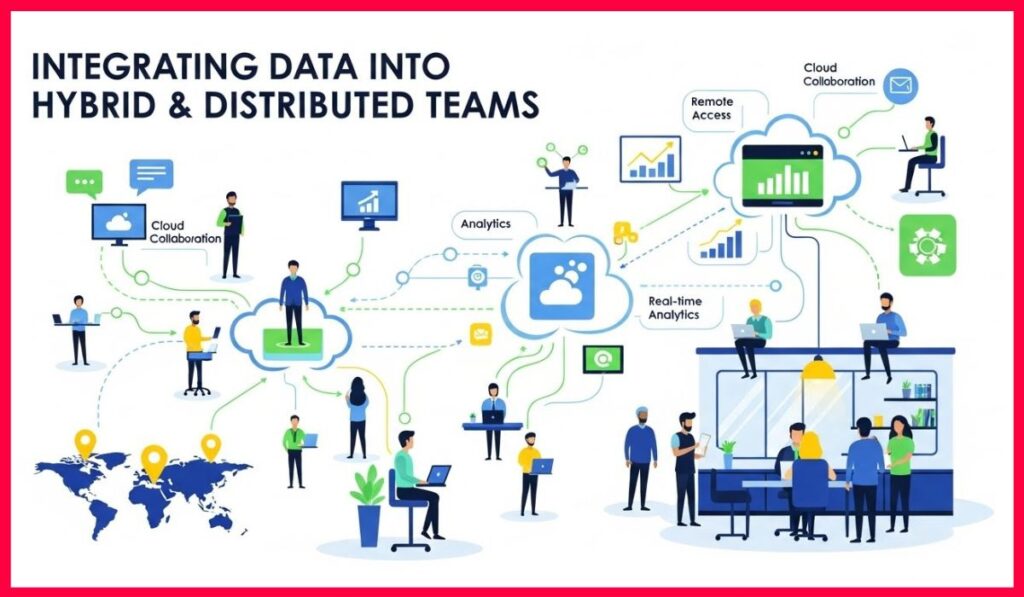
Remote work is here to stay, but how do you keep team engagement / satisfaction high without watercooler chats?
- Tools like Slack, Microsoft Teams, and collaborative dashboards keep info flowing.
- Track participation levels and meeting frequency to identify disengagement early.
- Encourage asynchronous discussion around metrics, so everyone contributes on their own schedule.
A GitHub team once shared how they integrated cycle time metrics into PR reviews. Not only did throughput improve, but trust in the process grew because data was visible to everyone.
Read this Blog: https://noshcrafters.com/zardgadjets/
Avoiding Pitfalls: Information Overload & Misused Data
Even the best systems fail if teams drown in numbers.
- Prioritize metric selection carefully; too many KPIs create confusion.
- Prevent analysis paralysis by keeping dashboards goal-oriented.
- Link decision support / evidence-based strategy to actionable insights.
- Avoid vanity metrics—customer complaints may matter more than test pass rates in certain contexts.
A colleague once joked, “We have 57 dashboards, yet no one knows what the heck is important.” Classic trap.
Building a Culture Around Data-Driven Collaboration
The tools and processes are meaningless without culture. Team buy-in / trust / transparency are non-negotiable.
- Encourage open dialogue, feedback, and collaboration rituals.
- Align goal alignment / objective setting across departments to avoid siloed efforts.
- Recognize contributions visible in performance metrics / success indicators.
- Celebrate wins from experiment / testing / iteration, not just final outcomes.
Leadership models like the 4 Pillars of Teamwork—Trust, Communication, Collaboration, Accountability—work hand in hand with data-driven approaches.
Practical Tips for Teams Going Disquantified

So you’re convinced, but how do you actually implement team disquantified?
- Start small: pick a few core metrics and visualize them.
- Integrate workflow integration tools so data isn’t extra work.
- Regularly review dashboards in team meetings—make them interactive discussions, not presentations.
- Use feedback loops to adapt processes and continuously improve.
Remember what Eric Ries writes in The Lean Startup: iterative improvement beats massive one-off overhauls.
Frequently Asked Questions
What is Team Disquantified?
It’s a data-driven approach where teams use numbers and insights collaboratively to make decisions.
Which tools help with data-driven collaboration?
Tableau, Google Data Studio, Microsoft Power BI, D3.js, Slack, and Toggl are popular choices.
How do we prevent information overload?
Select key metrics carefully and keep dashboards actionable and focused.
How does data improve team engagement?
Transparent metrics and visualized KPIs foster trust and encourage open dialogue among team members.
Can hybrid teams implement Team Disquantified?
Yes, with asynchronous dashboards, collaborative tools, and clear communication, hybrid teams can thrive.
Conclusion: Transforming Numbers into Conversations
At its heart, team disquantified is about people as much as numbers. It’s not just dashboards, KPIs, or data visualization / interactive dashboards. It’s about trust, team engagement / satisfaction, and shared decision-making. When done right, data sparks conversations, reveals hidden strengths, and helps teams operate at peak operational throughput.
Start small, iterate, and celebrate wins along the way. Invite your team to share insights, challenge assumptions, and see numbers as tools, not rules. When a team truly embraces data-driven collaboration, numbers stop being scary—they become a language everyone speaks.
After all, isn’t that what collaboration’s all about? Turning insights into action, and action into growth

Food lover, recipe creator & the heart behind NoshCrafters.com. Olivia shares mouthwatering, easy-to-make dishes that turn everyday meals into unforgettable bites. When she’s not experimenting in the kitchen, she’s busy plating up inspiration for home cooks everywhere.