
There are some lives that don’t quite fit inside the usual straight-lined biography format, and honestly, the story of Christian Gutkowski kinda wanders like a warm summer breeze that can’t decide where exactly to go but still leaves you feeling something soft, something meaningful, something you keep thinking about later.
His life in the entertainment industry, both quiet and brilliant, was one of those stories people talk about in the hallways long after the workday ends. Some folks say he had that gentle spark the type you don’t even notice at first, but then suddenly you wonder how the room ever lit without it.
Table: Key Facts About Christian Gutkowski
| Category | Details |
|---|---|
| Full Name | Christian Gutkowski |
| Birthplace | Cold Spring Harbor, New York |
| Education | Boston College – studied creative arts & early filmmaking interests |
| Primary Profession | Assistant Director, Second Unit Director, TV and film productions specialist |
| Industry | Entertainment industry, media production, behind-the-scenes filmmaking |
| Notable Projects | Good Trouble (Freeform), Eagleheart, When Duty Calls, The Making of the Bigfoot Hunters |
| Famous Recognition | Honored with a tribute episode on Good Trouble for his creative contributions |
| Work Style | Known for reliable behind-the-camera work, collaboration with TV and film crew, problem-solving, and directing support |
| Hobbies & Interests | Music, painting, passionate guitarist, lifelong New York Mets fan |
| Passing | Died due to a sudden cardiac event; loss deeply felt across colleagues |
| Legacy | Remembered for his influence on others, artistic spirit, gentle leadership, and career achievements |
| Location of Career | Primarily worked in Los Angeles in various television series and film roles |
| Impact | Left a lasting presence in the creative arts community; respected by peers across the industry |
Early Life and the Seeds of Creativity

Every journey starts somewhere, right? For Christian, that “somewhere” was Cold Spring Harbor, New York, a place wrapped around by old trees and the sort of calm that makes art grow in young minds. People who knew him back then say he was always drifting between music, painting, and tiny notebooks full of scribbles that probably made more sense to him than the grownups who peeked at them.
His early life wasn’t loud or dramatic; it was more like a slow-burning candle, steady and intentional. Sometimes he’d pick up a guitar yes, he was a quiet guitarist and strum a melody that felt like sunlight melting through an open window. Other times he painted in colors that made people wonder if emotions could be bottled up inside pigments.
But still, even with all these hobbies swirling around him, filmmaking tugged at him like an old friend whispering, “hey, look over here, this is where you belong.”
Education and the Formation of an Artist
When Christian landed at Boston College, things sort of clicked together in a way that only college sometimes does. The stories, the long nights of editing, the endless debates about shots and angles—yeah, he lived all that. You can almost picture him roaming the campus with a half-finished script folded into the pocket of his jacket, mumbling ideas under his breath, trying to catch lightning before it slipped away.
People say he had this way of approaching filmmaking that was both analytical and dreamy—like he knew the rules but always kept just enough rebellion in his pocket to bend them when the moment felt right. A real combo of logic and “let’s-just-try-this-and-see-what-happens,” which is honestly what the creative arts thrive on.
His professors saw something in him, something gentle but sharp, and tiny bits of that recognition probably followed him all the way through his career.
Los Angeles: Where the Story Deepened
Eventually, as many storytellers do, Christian drifted westward to Los Angeles, the messy, glowing capital of dreams. LA doesn’t make life easy, but it does make it interesting, and Christian sorta floated through it with the calm of someone who wasn’t trying to shout the loudest—just trying to make the work speak for itself.
He joined TV and film productions, finding his rhythm in the hum of sets, the flurry of walkie-talkies, and the low thrum of generators that every production team learns to accept like background music. Before long, Christian became known as a talented Assistant Director, and later also stepped into Second Unit Director roles—positions that require a strange blend of authority, creativity, timing, and the ability to smile even when someone accidentally spills coffee on the call sheets.
Behind the camera, he was the kind of guy who saw every moving piece—the actors thinking through their lines, the lighting crew trying to quiet the buzz of a flickering bulb, the writers pacing in circles—and somehow helped pull all of it into harmony.
Good Trouble, Freeform, and a Special Kind of Legacy

Among the many projects Christian worked on, one stood out not just because of its popularity, but because of how deeply it ended up tying to his memory: Good Trouble, the well-loved Freeform television series.
Working on that show wasn’t just another job for him. It felt, from the way colleagues describe it, like stepping into a community where creativity hummed in the walls, where everyone fought together to make a story shine. His behind-the-camera work played a huge part in the show’s ability to stay visually striking, emotionally grounded, and always just a lil’ bit daring.
After his sudden passing, the production honored him with a tribute episode, something rare and deeply meaningful in the world of media production. It wasn’t just a nod—it was evidence of real industry respect, an acknowledgment that his creative contributions mattered, that his presence had shaped the heartbeat of the series.
There’s something powerful about an entire cast and crew pausing the whirlwind of production to say, “He changed things here. He mattered.” That’s a kind of legacy no award shelf can hold.
Career Achievements That Didn’t Always Make Headlines
Even if Christian’s name wasn’t shouted from billboards, his fingerprints were on more projects than some folks realize. His contributions reached across movies like Eagleheart, When Duty Calls, and The Making of the Bigfoot Hunters, where his steady hands helped shape scenes, solve problems, and catch the little details other people sometimes miss.
That’s sorta the magic of the TV and film crew—they’re the unsung heroes, the ones who build worlds in shadows so the spotlight can shine in the right places. And Christian? He was exceptionally good at that kind of world-building.
Maybe his work wasn’t always front-and-center, but in the entertainment industry, the people who really know things know that great productions stand on the shoulders of people like him. Call it quiet excellence, call it backbone work—whatever the name, it mattered.
Personal Interests That Colored His World
Beyond the set, Christian’s life spilled into many pockets of art. His love for music wasn’t just a hobby; it was a quiet form of communication for him. Sometimes a guitarist says more through strings than a filmmaker can say through frames, and for Christian, both languages lived together, side by side.
He also loved painting, the kind where you let colors run together until they tell the story for you. Some friends recall how he’d blend deep blues and blazing oranges like emotions trying to shake hands across a stormy horizon.
These artistic expressions weren’t side-notes; they were central threads—little windows into a mind that saw beauty in many shapes.
And then, of course, there was his forever fandom: the New York Mets. Those who knew him often joke that being a Mets fan is an art form in itself, requiring a resilient heart, endless hope, and the ability to laugh through unpredictable chaos. Maybe that explains why Christian handled the ups and downs of Hollywood with such calm—he’d already survived countless baseball seasons.
A Sudden Passing and a Ripple That Didn’t Fade
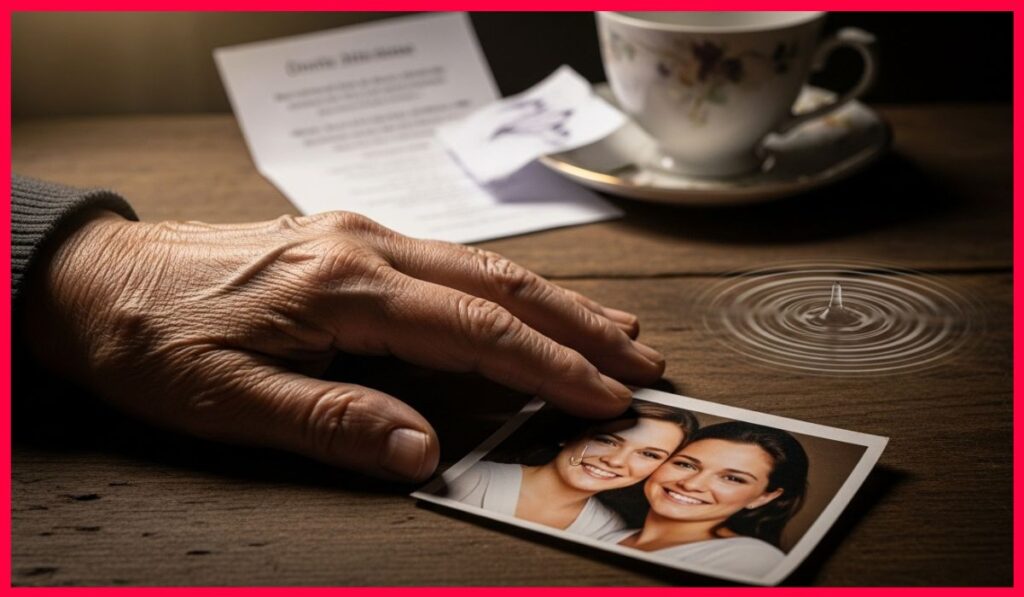
Christian’s passing, caused by a sudden cardiac event, was one of those moments that drop into the world like a stone into quiet water—sharp, unexpected, impossible to make sense of. The shock of it lingered in the spaces he used to fill, especially among colleagues who had come to rely on his steadiness, his good humor, his natural talent for keeping the chaos of a set from boiling over.
But grief, when shared, becomes memory. And when memory is held closely enough, it becomes memorial dedication, something ongoing. His impact on family, friends, and colleagues didn’t vanish with time; if anything, it deepened.
His loved ones still talk about him in ways that make you feel like he might walk into the room at any minute, smiling in that quiet, half-shy way he was known for.
Tributes, Influence, and What He Left Behind
Influence is such a tricky thing to measure, especially in industries where jobs change fast and projects disappear into streaming libraries. But Christian’s career achievements didn’t vanish—they lived on in every assistant director who learned patience from him, in every actor who felt safe under his direction, in every camera operator who trusted his instincts.
His tribute episode on Good Trouble wasn’t the end of his story; it was just the industry’s way of saying out loud what so many already felt—that the work he did had weight, that it shaped the show’s rhythm, that his absence left a real ache.
When people talk about him now, there’s this mixture of admiration and warmth, like remembering someone who truly lived in alignment with who they were inside. Someone whose lifelong passion didn’t shout but whispered with purpose.
His Legacy in the Entertainment World
Every production has its unsung stars, and Christian was one of them. From Hollywood career journeys to the gritty details of daily TV show production staff responsibilities, he made it clear that excellence isn’t always loud. Sometimes it’s the smooth running of a set. Sometimes it’s the soft-spoken direction that saves a scene. Sometimes it’s the calm energy that helps a tense moment relax.
His story is often referenced among creative industry professionals who understand how rare it is to find someone who blends skill with humility so effortlessly. And for younger filmmakers—especially New York filmmakers and Boston College film alumni—his path has become a bit of a compass.
A reminder that being great doesn’t require being the loudest. It just requires being true.
Read this blog: https://noshcrafters.com/the-world-of-pi123-what-is-it/
Freqeuntly Asked Questions
Who was Christian Gutkowski?
Christian Gutkowski was a talented filmmaker, known for his work as an Assistant Director and Second Unit Director in TV and film productions.
What are some notable projects he worked on?
He contributed to shows like Good Trouble (Freeform), Eagleheart, When Duty Calls, and the documentary The Making of the Bigfoot Hunters.
Where did Christian Gutkowski study filmmaking?
He attended Boston College, where he developed his skills in creative arts and early filmmaking techniques.
What roles did he hold in the entertainment industry?
Christian worked as an Assistant Director, Second Unit Director, and was involved in behind-the-scenes filmmaking, coordinating TV and film crew operations.
How is Christian Gutkowski remembered?
He is remembered for his creative contributions, artistic hobbies, and the legacy he left in the entertainment industry, honored with a tribute episode on Good Trouble.
Conclusion: A Life That Still Echoes Quietly and Strong
The life of Christian Gutkowski wasn’t a blockbuster movie or a headline-hungry biography—it was something softer, something that slips into the heart when you’re not looking. Through his behind-the-scenes filmmaking, his friendships, his art, his music, and his steady dedication to craft, he shaped worlds that millions of viewers stepped into without ever knowing his name.

Food lover, recipe creator & the heart behind NoshCrafters.com. Olivia shares mouthwatering, easy-to-make dishes that turn everyday meals into unforgettable bites. When she’s not experimenting in the kitchen, she’s busy plating up inspiration for home cooks everywhere.